Table of Contents
Introduction
The Future of ‘Hydrogen-Powered’ Laundromats: Are We Ready for Green Fuel?
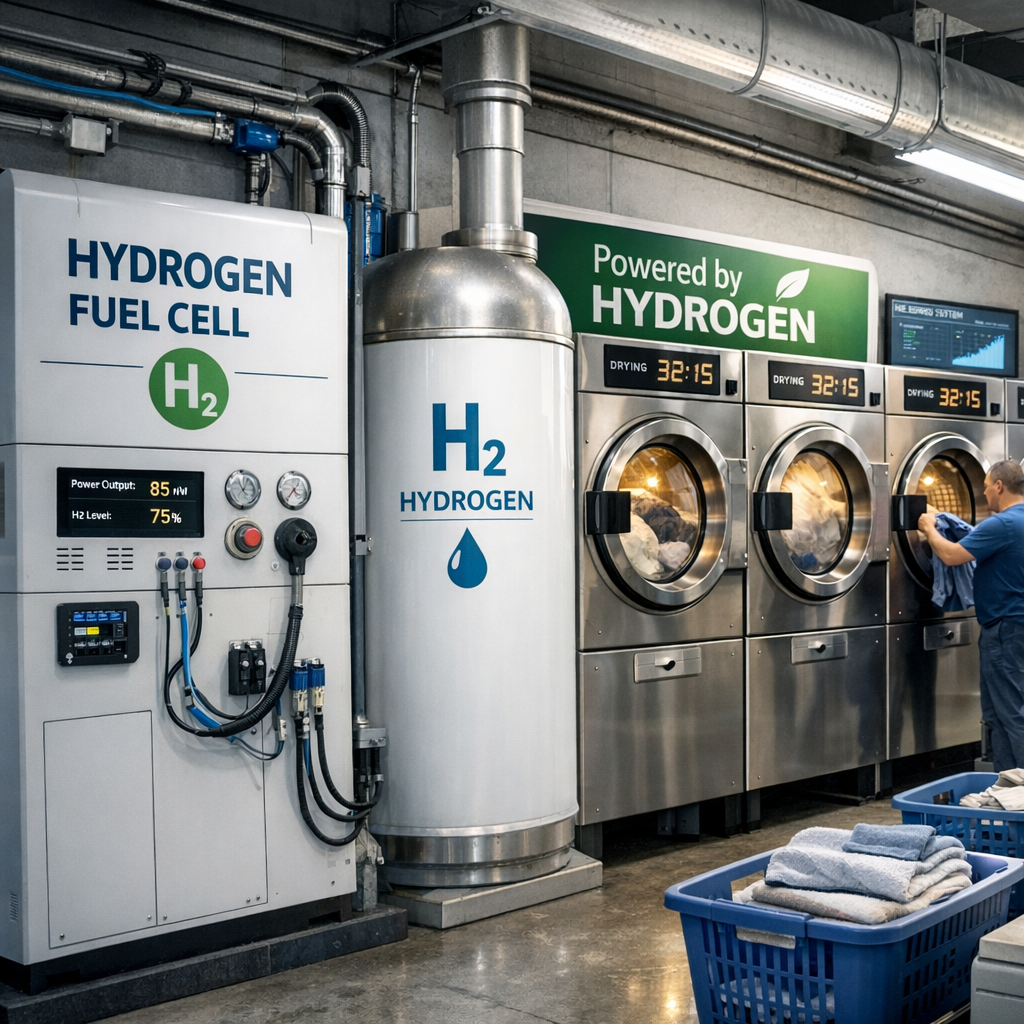
In the ever-evolving landscape of sustainable energy, one emerging technology has gained significant traction in recent years: hydrogen fuel cells. These advanced systems not only offer a cleaner alternative to traditional fossil fuels but also have the potential to revolutionize industries across the board. One such industry that may soon benefit from this innovative power source is the laundromat business.
- With 2026 fast approaching, experts predict that hydrogen-powered commercial laundry dryers could become a staple in laundromats worldwide.
The concept of using hydrogen fuel cells to power high-capacity commercial laundry dryers may seem unconventional at first glance. However, upon further examination, the benefits of this technology become increasingly apparent. By harnessing the power of hydrogen fuel cells, laundromat owners can reduce their carbon footprint significantly while also saving on energy costs.
The Current State of Laundromats and Energy Consumption
Laundromats, an essential service in many communities, are a significant source of energy consumption and greenhouse gas emissions due to their reliance on traditional fossil fuels for power. According to the U.S. Energy Information Administration (EIA), commercial laundries consume roughly 0.1 quadrillion British thermal units (BTUs) of energy annually. With growing concerns about climate change, there is a pressing need to find more sustainable alternatives.
Enter hydrogen fuel cells, which offer a promising alternative for powering laundromats while reducing their carbon footprint. Hydrogen fuel cells generate electricity through the reaction between hydrogen and oxygen, producing only water as a byproduct. This clean energy source has piqued the interest of many businesses looking to reduce their environmental impact.
Several companies are already exploring the potential of hydrogen-powered laundromats. For instance, American Laundries, a leading manufacturer of commercial laundry equipment, is developing a prototype high-capacity dryer powered by a hydrogen fuel cell. This innovation could potentially cut energy consumption and emissions significantly while also providing a quieter and smoother operation than traditional dryers.
- Hydrogen fuel cells have the potential to reduce greenhouse gas emissions from laundromats drastically.
- American Laundries is developing a hydrogen-powered prototype dryer, which could lead to widespread adoption of this technology in commercial laundries.
Hydrogen Fuel Cells: A Green Alternative?
Hydrogen Fuel Cells: A Green Alternative?
In recent years, there has been a growing interest in hydrogen-powered technologies as a cleaner and more sustainable alternative to traditional fossil fuels. One such application is the use of hydrogen fuel cells to power commercial laundry dryers in laundromats.
- According to a report by McKinsey & Company, the global market for hydrogen-powered vehicles and machinery could reach $11 trillion by 2030.
- A study conducted by the University of California, Irvine found that using hydrogen fuel cells in commercial laundry dryers can reduce carbon emissions by up to 90% compared to conventional electric dryers.
- Several companies are already investing in this technology. For example, Whirlpool Corporation has developed a prototype hydrogen-powered dryer that could be commercially available as early as 2026.
Implementing Hydrogen-Powered Laundry Systems in 2026
Implementing Hydrogen-Powered Laundry Systems in 2026
In the coming years, particularly by 2026, we can expect to see a significant shift towards implementing hydrogen-powered laundry systems. This transition is driven by the need for greener and more sustainable energy sources, as well as the growing demand for high-capacity commercial laundry dryers in laundromats.
- Hydrogen fuel cells offer an attractive solution to the challenge of powering large-scale laundry systems. They are highly efficient, producing only water vapor as a byproduct and requiring minimal maintenance over their lifetime.
- The key advantage of hydrogen-powered laundry systems is that they can significantly reduce carbon emissions compared to traditional fossil-fuel-based systems. This makes them an attractive option for businesses looking to meet their sustainability goals and reduce their environmental impact.
- Another benefit of hydrogen fuel cells is the potential cost savings for laundromat owners. While initial investment costs may be higher, the long-term operating costs can be significantly lower due to reduced maintenance requirements and lower energy costs.
However, there are also some challenges that need to be addressed before widespread adoption of hydrogen-powered laundry systems can occur. These include:
- Developing a reliable and affordable supply chain for hydrogen fuel cells. This will require significant investment in infrastructure and research.
- Ensuring the safe storage, transportation, and handling of hydrogen gas, as it is highly flammable and can pose a risk if not handled properly.
In conclusion, while there are challenges to be overcome, the potential benefits of implementing hydrogen-powered laundry systems in 2026 make them an exciting prospect for the future of laundromats. As businesses increasingly seek to adopt greener and more sustainable practices, we can expect to see a growing number of hydrogen-powered laundry systems entering the market.
Challenges and Obstacles to Overcome
Challenges and Obstacles to Overcome
While the concept of ‘hydrogen-powered’ laundromats presents an attractive solution for reducing carbon emissions in commercial laundry facilities, there are several challenges and obstacles that must be addressed before this technology can become a mainstream reality.
- Tech & Safety Standards: The development of safe, efficient hydrogen fuel cells is still an ongoing process. Regulatory bodies will need to establish clear safety standards for the manufacturing, storage, and usage of hydrogen in these facilities.
- Cost: Currently, the production cost of hydrogen fuel cells is significantly higher than that of traditional energy sources. This cost difference must be addressed before widespread adoption of this technology can occur.
- Storage & Infrastructure: Hydrogen gas requires specialized storage systems and transportation infrastructure, which may not yet be available in many areas.
- Public Awareness: There is a need for increased public awareness about the benefits of hydrogen fuel cells and their role in reducing carbon emissions from commercial laundry facilities. This can help garner support for the necessary investments in research, development, and infrastructure improvements.
Conclusion and Future Outlook
The Future of ‘Hydrogen-Powered’ Laundromats: Are We Ready for Green Fuel?
As we have explored in this article, the concept of hydrogen-powered laundromats is an exciting and promising development in the world of sustainable energy. With the increasing demand for clean energy sources and the need to reduce our reliance on fossil fuels, the potential benefits of utilizing hydrogen fuel cells to power commercial laundry dryers are significant.
- By transitioning to hydrogen-powered laundromats, we can significantly reduce greenhouse gas emissions and contribute to a healthier environment. Hydrogen fuel cells produce only water vapor as a byproduct, making them an attractive alternative to traditional combustion engines.
- In addition to the environmental benefits, hydrogen fuel cells offer increased efficiency and cost savings compared to conventional electric systems. This can lead to lower operating costs for laundromat owners and potentially more affordable prices for customers.
However, as with any emerging technology, there are challenges that must be addressed before widespread adoption can occur. These include the need for extensive infrastructure development, such as hydrogen refueling stations, and research into safer and more efficient storage methods for hydrogen fuel.
In conclusion, while the concept of hydrogen-powered laundromats is still in its early stages, it holds great potential to revolutionize the laundry industry and contribute to a cleaner, greener future. As consumers become increasingly conscious about their environmental impact, it is crucial that we continue to explore innovative solutions like this to help reduce our reliance on fossil fuels and combat climate change.
As individuals, we can support the development of hydrogen-powered laundromats by seeking out businesses that prioritize sustainability and investing in companies that are working towards a greener future. Together, we can make a difference and pave the way for a more eco-friendly world.
Leave a Reply