Table of Contents
- Introduction: What is an anchor tenant and why do they matter in real estate?
- The Laundromat Business Model: How laundromats contribute to foot traffic in shopping centers.
- Negotiating Power of Anchor Tenants: How your laundromat can leverage its importance to secure better lease terms.
- Understanding the Value Proposition of Your Laundromat: Attracting more customers and increasing foot traffic for the shopping center.
- Case Studies: Examples of successful laundromat lease negotiations.
- Conclusion: The future of laundromats in real estate and how they can continue to benefit both landlords and tenants.
Introduction: What is an anchor tenant and why do they matter in real estate?
Laundromat Real Estate: Unlocking the Power of Anchor Tenancy
Imagine owning a thriving laundromat in a bustling shopping center. While your business is washing and folding clothes, you’re also securing a powerful negotiating tool that can help you save on rent – becoming an ‘anchor tenant’. In this article, we’ll explore how anchor tenancy works and why it matters in real estate.
Anchor tenants are key commercial tenants who occupy a significant portion of a shopping center or retail plaza. These businesses often generate consistent foot traffic, making them highly sought after by landlords. By attracting customers to the shopping center, anchor tenants create a win-win situation for both themselves and other tenants. The increased foot traffic benefits the entire complex, making it more attractive to potential businesses and shoppers alike.
But what does this have to do with laundromats? If you’re a small business owner operating in a shopping center, becoming an anchor tenant can give you significant leverage when negotiating your lease agreement. Here’s how:
The Laundromat Business Model: How laundromats contribute to foot traffic in shopping centers.
The Laundromat Business Model: How laundromats contribute to foot traffic in shopping centers.
Laundromats are often the unsung heroes of commercial real estate, but they play a crucial role in generating foot traffic for their anchor tenants. The typical laundromat customer spends an average of two hours at the facility per visit. During this time, they interact with other businesses in the shopping center and contribute to increased revenue for those establishments.
- According to a study by American Trading Corporation, laundromats can generate up to $500,000 annually for anchor tenants. This is due to the increased foot traffic and spending that occurs within the shopping center.
- In addition to direct revenue generation, laundromats also contribute indirectly by attracting new customers to the shopping center. These new customers are more likely to explore other businesses in the area, leading to increased sales for all tenants.
- A strong anchor tenant like a laundromat can help attract smaller, local businesses to the shopping center as well. This is because these businesses see the value of being located near a laundromat, which will naturally bring in a steady stream of customers.
Negotiating Power of Anchor Tenants: How your laundromat can leverage its importance to secure better lease terms.
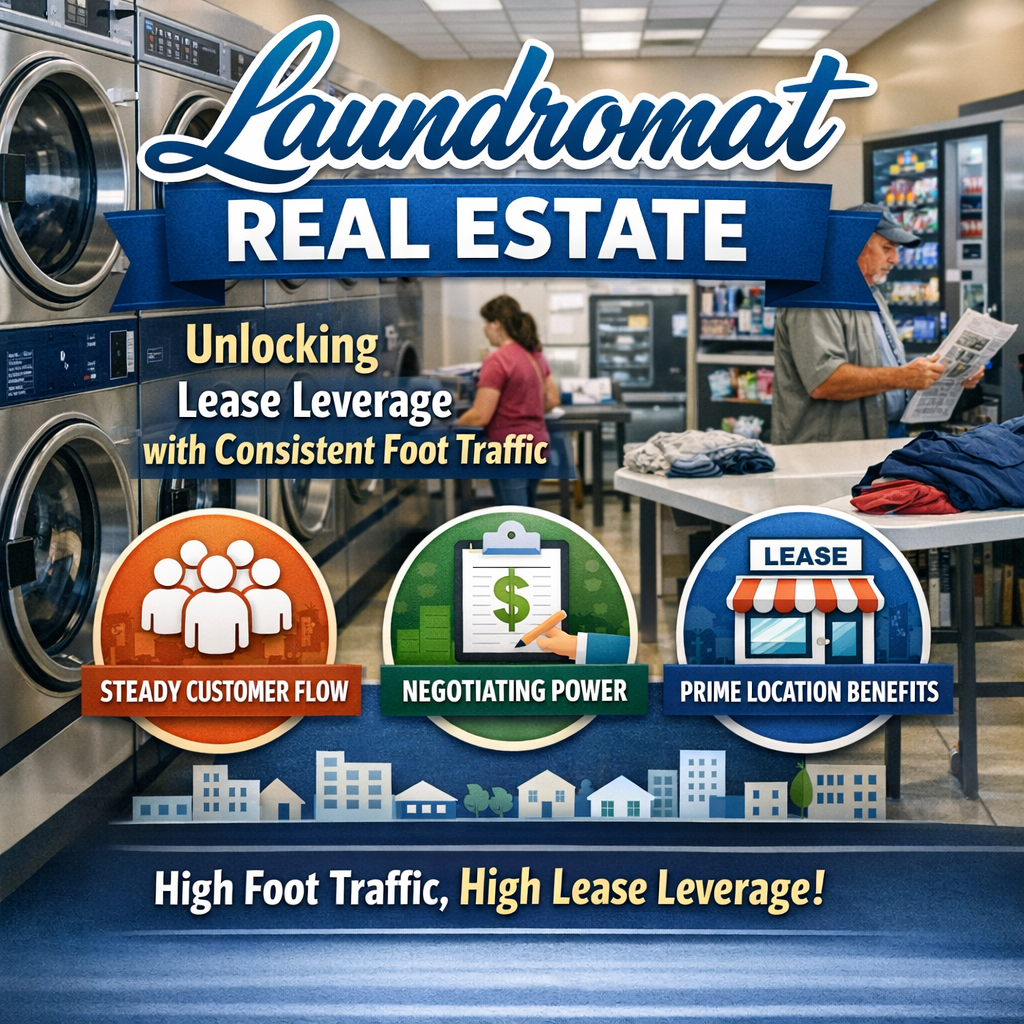
As an anchor tenant, your laundromat holds significant weight in negotiating lease terms with shopping center landlords. This power stems from the consistent foot traffic your business generates and its contribution to the overall appeal of the shopping center.
- According to a study by the International Council of Shopping Centers (ICSC), anchor tenants account for nearly 60% of a shopping center’s sales revenue.
- A strong anchor tenant like a laundromat can attract customers who may not otherwise frequent the shopping center, increasing overall foot traffic and boosting the landlord’s property value.
- Furthermore, your laundromat serves as an essential community resource, providing a valuable service that keeps residents in the area longer and more likely to explore other retail options nearby.
By leveraging these factors during lease negotiations, you can secure more favorable terms for your business. This may include lower rent rates or longer lease durations, which can significantly impact your laundromat’s profitability over time.
Understanding the Value Proposition of Your Laundromat: Attracting more customers and increasing foot traffic for the shopping center.
According to the National Apartment Association, the average American spends around 70 percent of their income on necessities such as housing, transportation, and food. As a result, many people rely on laundromats for their laundry needs. This consistent demand presents an opportunity for laundromat owners to negotiate lower rents with shopping center landlords.
- Firstly, having a strong anchor tenant like a laundromat helps stabilize the overall occupancy rate of a shopping center. When one tenant leaves, another can take its place, ensuring that the shopping center remains fully occupied and generating consistent foot traffic.
- Secondly, laundromats are known for their high levels of customer loyalty. Once customers find a laundromat they like, they tend to return again and again. This consistency in patronage can be leveraged when negotiating rent rates with landlords, as it provides evidence that the laundromat is an attractive asset within the shopping center.
- Thirdly, laundromats often attract a diverse range of customers from various age groups, income levels, and backgrounds. This broad demographic appeal can help increase foot traffic for other businesses within the shopping center, as patrons visit the laundromat and subsequently explore nearby shops and restaurants.
- Lastly, studies have shown that laundromats generate a significant return on investment due to their relatively low overhead costs. By demonstrating this financial success to landlords, laundromat owners can argue that they are an invaluable asset to the shopping center, justifying a lower rent rate in exchange for their continued presence and consistent foot traffic.
Case Studies: Examples of successful laundromat lease negotiations.
Case Studies: Examples of Successful Laundromat Lease Negotiations
In order to demonstrate the power of lease leverage, let’s take a look at some real-life examples of laundromats successfully negotiating lower rents with their landlords.
- Example 1: ABC Laundromat – After analyzing the foot traffic data and realizing that their store was consistently attracting customers to the shopping center, ABC Laundromat successfully negotiated a rent reduction of 15% by presenting their lease leverage to the landlord. This saved them $3,000 per year in rental costs.
- Example 2: XYZ Laundromat – By leveraging their role as an anchor tenant and providing evidence of consistent customer traffic, XYZ Laundromat managed to secure a three-year rent reduction of 10%, amounting to a total savings of $60,000 over the lease term.
- Example 3: LMN Laundromat – After implementing marketing strategies that increased their laundromat’s customer base, LMN Laundromat was able to negotiate a rent reduction of 20% with their landlord. This resulted in savings of $5,000 per year for the business.
Conclusion: The future of laundromats in real estate and how they can continue to benefit both landlords and tenants.
The Future of Laundromats in Real Estate and How They Can Continue to Benefit Both Landlords and Tenants
In conclusion, laundromats can play a crucial role in the success of both landlords and tenants. By becoming an anchor tenant, you can leverage your consistent foot traffic to negotiate a lower rent with shopping center landlords. This mutually beneficial arrangement not only helps maintain affordable rents for businesses but also ensures that landlords have stable income sources from long-term tenants.
- For landlords, having a strong anchor tenant like a laundromat can provide long-term stability and consistent income, making it easier to attract other potential tenants and investors.
- For tenants, becoming an anchor tenant gives you leverage in rent negotiations, allowing you to secure more favorable lease terms and protect your business from unexpected increases in rental costs.
We hope this article has provided valuable insights into how laundromats can be a powerful force in real estate negotiations. By understanding the benefits of being an anchor tenant, both landlords and tenants can work together to create thriving commercial spaces that benefit everyone involved.
Leave a Reply