Table of Contents
Introduction
Laundromat Boiler Permits: Navigating High-Pressure Vessel Inspections and Compliance
For large laundromats operating industrial boilers, ensuring state safety and insurance requirements are met is a critical aspect of business continuity. This regulatory guide will provide a step-by-step approach to help these establishments navigate the high-pressure vessel inspections and compliance process.
- Understand the significance of boiler permits
- Lay out the inspection process in detail
- Provide guidance on maintaining compliance records
In this article, we will delve into the importance of laundromat boiler permits and guide operators through the inspection process to maintain safety standards and avoid costly fines or business shutdowns.
Understanding Boiler Safety Regulations
Understanding Boiler Safety Regulations
Boiler safety regulations are put in place to ensure the safe and efficient operation of industrial boilers in laundromats.
- ASME Code: The American Society of Mechanical Engineers (ASME) has established a boiler code known as the ASME Boiler and Pressure Vessel Code. This code provides guidelines for the design, fabrication, and inspection of boilers to ensure they are safe and reliable.
- Permit Requirements: Large laundromats that use industrial boilers may require a permit from their state’s department of labor or other relevant regulatory agency before operating the boiler. This permit is often contingent on demonstrating compliance with applicable safety regulations, such as those outlined in the ASME code.
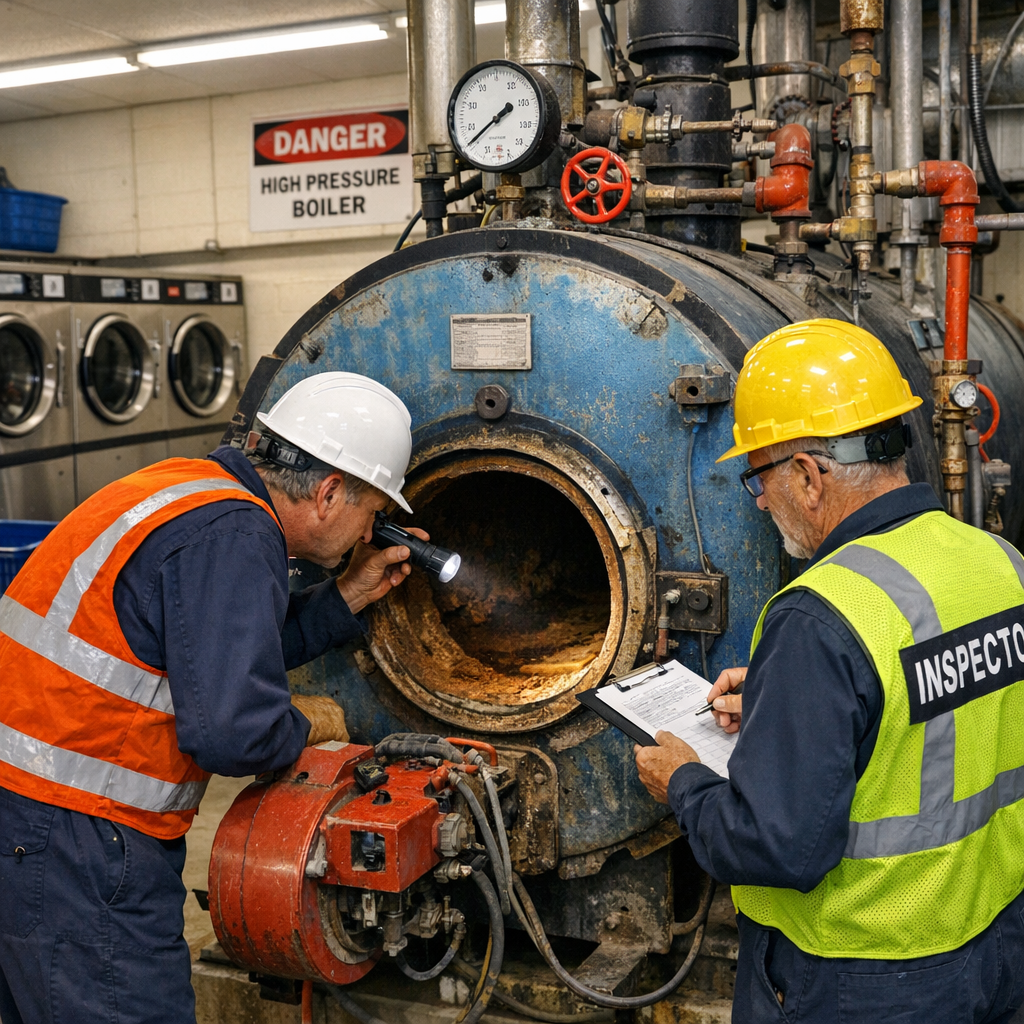
- Inspections: Regular inspections by authorized inspectors are required to verify that boilers continue to meet safety standards over time. These inspections typically involve a thorough examination of the boiler’s pressure vessel and other critical components to identify any potential issues or defects.
- Repair and Replacement: If an inspector identifies any issues during a compliance inspection, the laundromat owner must address these concerns promptly. This may include repairing damaged components or replacing boilers that are no longer safe to operate.
Preparing for Inspections
Preparing for Inspections
In order to ensure your laundromat is fully prepared for inspections, follow these steps:
- Conduct a thorough assessment of the industrial boiler system to identify any potential hazards or compliance issues.
- Consult with local authorities and insurance providers to understand specific requirements and obtain necessary permits.
- Create a detailed maintenance schedule for regular cleaning, inspections, and repairs to prevent unexpected breakdowns and maintain safety standards.
- Designate a dedicated team member or hire a professional technician to oversee boiler operations and address any concerns that arise during routine checks.
Maintaining Compliance: Regular Maintenance & Record Keeping
Regular maintenance and thorough record keeping are crucial components of maintaining compliance for large laundromats with industrial boilers. To ensure safety and meet state requirements, operators must adhere to strict guidelines and procedures.
- Regular inspections: It is essential to conduct regular inspections of the boiler system by a certified technician. These inspections should include pressure testing, flue gas analysis, and examination of critical components like valves and gauges. The frequency of these inspections may vary based on local regulations but typically range from every six months to annually.
- Record keeping: Maintaining accurate records is vital for demonstrating compliance with safety standards. Operators should keep detailed logs of all inspections, maintenance activities, repairs, and any other relevant information. These records must be kept for a minimum of five years and made available to regulatory authorities upon request.
- Preventive maintenance: To minimize the risk of accidents and malfunctions, it is essential to perform routine preventive maintenance on boilers. This includes cleaning and inspecting burners, heat exchangers, and other critical components; replacing worn or damaged parts; and adjusting controls for optimal performance.
- Training and education: Operators must ensure that their staff receives adequate training in the safe operation and maintenance of industrial boilers. This includes understanding proper startup and shutdown procedures, identifying potential hazards, and knowing how to respond to emergencies.
Troubleshooting Common Issues in Laundromat Boilers
Boiler system malfunctions can disrupt the laundromat’s operations, causing delays and customer dissatisfaction. It is essential for large laundromats with industrial boilers to be aware of common issues and their troubleshooting methods. In this section, we will cover some of the most frequent problems encountered in boiler systems and provide guidance on how to resolve them effectively.
- 1. Low Water Pressure: If the water pressure is too low, it can lead to inefficient heating and potential damage to the boiler. To address this issue, ensure that there is enough water in the system by checking the filling chamber and topping up if necessary. Additionally, inspect the filling valve for any obstructions or leaks.
- 2. Boiler Overheating: Excessive heat can cause severe damage to the boiler components. To prevent overheating, maintain proper airflow through the system and clean any debris from the heat exchanger. If the issue persists, consult a professional for further diagnosis and repair.
- 3. Leaking Boilers: A leaky boiler can result in severe water loss and potential safety hazards. To identify the source of the leak, inspect the boiler’s connections, valves, and pipes. Tighten loose connections or replace damaged gaskets to resolve leaks.
Regular maintenance, such as cleaning and inspecting the system, can help prevent many common issues. However, if you encounter any problems, it is crucial to consult the boiler manufacturer’s manual or contact a professional technician for assistance. Remember that addressing these concerns promptly will ensure your laundromat remains compliant with state safety and insurance requirements while maintaining optimal operations.
Conclusion and Next Steps
Conclusion
In this article, we have explored the complexities of obtaining and maintaining boiler permits for large laundromats with industrial boilers. Ensuring that these high-pressure vessels are inspected regularly and maintained properly is not only essential for meeting state safety requirements but also crucial in minimizing insurance premiums.
- Regular inspections can help identify potential issues before they escalate into major problems.
- Maintaining accurate records of all boiler-related maintenance, repairs, and inspections is vital to demonstrate compliance with regulatory standards.
- Working closely with a licensed professional engineer or boiler technician will ensure that your laundromat’s boilers are operating safely and efficiently.
If you’re running a large laundromat with an industrial boiler system, it is essential to familiarize yourself with the regulatory requirements and implement best practices for boiler safety. By doing so, you will not only protect your customers and employees but also safeguard your business from costly insurance claims and potential legal consequences.
Next steps include consulting with a professional engineer or technician to assess your laundromat’s current boiler system, developing an inspection and maintenance schedule, and implementing any necessary upgrades or repairs. Additionally, familiarize yourself with local regulations and stay informed about any updates or changes in boiler safety requirements.
Leave a Reply