Table of Contents
- Introduction: The Importance of Laundry Lint Interceptor Maintenance
- Understanding Commercial Drains and Why They Backup
- Cleaning the Sump Pit: A Key Step in Preventing Backups
- The Dangers of Chemical Cleaners on Cast-Iron Plumbing
- Alternatives to Chemical Cleaners for Maintaining Your Main Line
- Conclusion: Protecting Your Business from the Consequences of Ignored Maintenance
Introduction: The Importance of Laundry Lint Interceptor Maintenance
Imagine stepping into a room filled with your favorite clothes, only to find them soaked in water and covered in a disgusting mix of dirt and grime. This nightmare scenario can become a reality if you don’t maintain your laundry lint interceptor. It’s an often-overlooked aspect of home maintenance, but one that can save you from a major mess. In this article, we’ll explore the importance of laundry lint interceptor maintenance and provide tips on how to keep your main line flowing smoothly.
Understanding Commercial Drains and Why They Backup
Understanding Commercial Drains and Why They Backup
Commercial drains are essential components of any plumbing system in businesses, institutions, and other facilities. However, they can often become clogged and cause backups that can be both costly and unpleasant for building occupants.
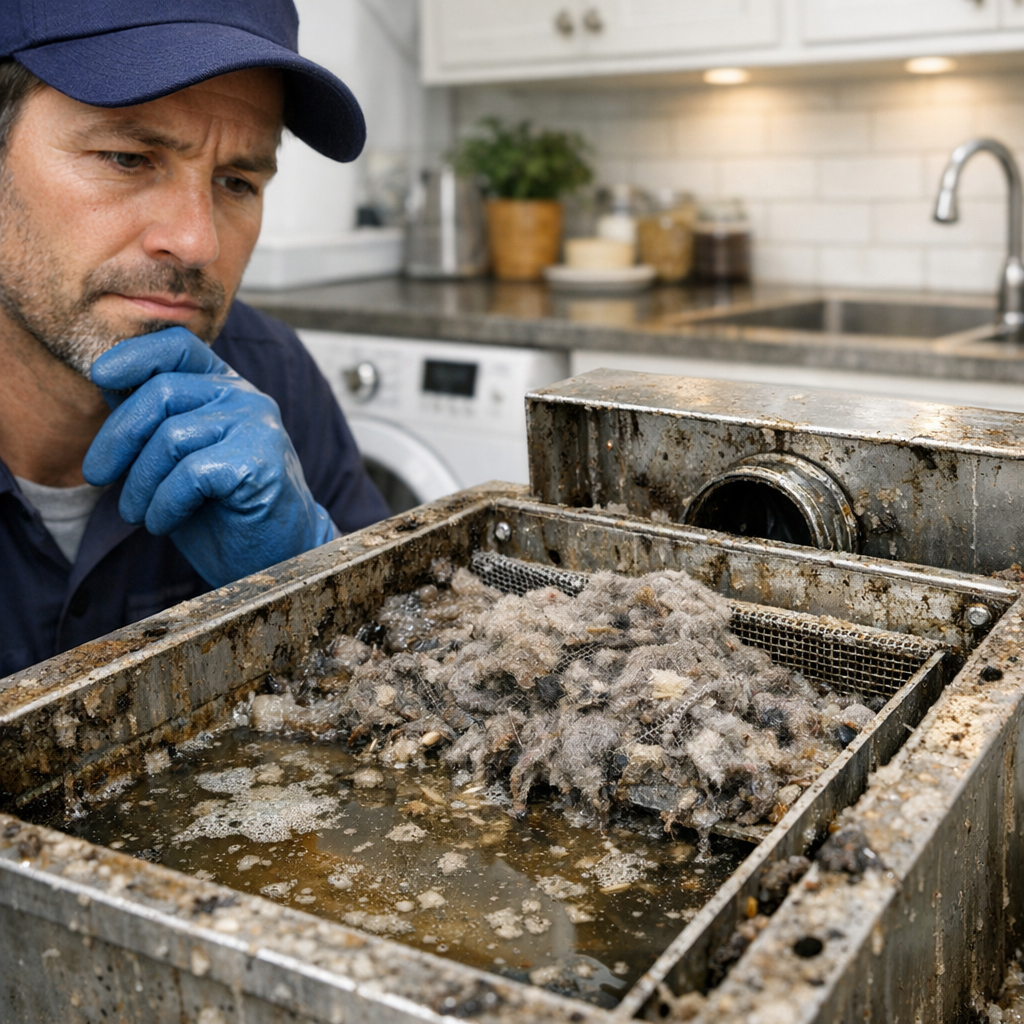
- One major contributor to commercial drain backups is the accumulation of laundry lint. As clothes wash and dry, tiny fibers are released from the fabric and accumulate in the washing machine’s lint trap. However, some of this lint finds its way into the drain system, where it can clump together with other debris and cause blockages.
- Another common issue is the improper disposal of food waste and cooking oils. These materials can solidify when they enter the plumbing system, creating a obstruction that can be difficult to remove without professional assistance.
- In addition, the use of chemical cleaners can damage cast-iron pipes commonly found in older buildings. When these pipes corrode, they weaken and become more susceptible to backups and bursts.
To prevent commercial drain backups, it is essential to regularly maintain your plumbing system. This includes cleaning the lint trap after each use, properly disposing of food waste and cooking oils, and scheduling professional inspections and cleanings as needed.
Cleaning the Sump Pit: A Key Step in Preventing Backups
Cleaning the Sump Pit: A Key Step in Preventing Backups
The sump pit, or laundry lint interceptor, is a critical component of your commercial drainage system. It serves as a trap for waste and debris that would otherwise flow into your main sewer line. Over time, however, these pits can become clogged with accumulated grime, which may lead to backups in your plumbing.
- Regular cleaning of the sump pit is essential to maintaining proper drainage and preventing backups.
- Scheduling professional cleanings every six months can help keep your system functioning optimally.
- For those DIY inclined, using a high-pressure washer with a hose attachment can effectively remove debris without causing damage to the pit or surrounding infrastructure.
- Avoid using chemical cleaners on cast-iron plumbing components as they may corrode the metal and cause further issues.
In conclusion, maintaining your laundry lint interceptor, or sump pit, is crucial for preserving the functionality of your commercial drainage system. By regularly cleaning this critical component, you can prevent backups and extend the life of your plumbing infrastructure.
The Dangers of Chemical Cleaners on Cast-Iron Plumbing
The Dangers of Chemical Cleaners on Cast-Iron Plumbing
Chemical cleaners can have severe consequences for cast-iron plumbing, which was commonly used in older homes and buildings before the advent of PVC and copper pipes.
- Firstly, chemical cleaners can corrode the iron in cast-iron pipes, leading to leaks or even pipe failure. This is due to the reaction between the acidic cleaner and the iron, producing rust that further weakens the pipe.
- Secondly, exposure to harsh chemicals may cause the pipe’s joints to loosen over time, increasing the risk of sewer gas leaks.
- Lastly, chemical cleaners can contaminate the water supply if they seep into the drinking supply through corroded cast-iron pipes. This poses a serious health hazard as these chemicals are toxic and can cause long-term damage if consumed.
To protect your cast-iron plumbing from the dangers of chemical cleaners, consider replacing it with more durable materials like PVC or copper, or at least have it inspected by a professional plumber regularly to ensure its integrity.
Alternatives to Chemical Cleaners for Maintaining Your Main Line
Alternatives to Chemical Cleaners for Maintaining Your Main Line
In order to maintain your main line and prevent backups, it’s crucial to avoid using chemical cleaners that can damage cast-iron plumbing. Instead, consider the following alternatives:
- Vinegar and Baking Soda: Mix equal parts white vinegar and baking soda in a container and pour it down your drain weekly. Let it sit for at least an hour before flushing with hot water.
- Boiling Water: Pour boiling water down your drain once a week to help break up any buildup and maintain smooth flow.
- Plumbers’ Snake: Use a plumber’s snake to remove stubborn clogs from your main line. This tool can be rented or purchased from most hardware stores.
- Enzyme Cleaners: These natural cleaners use enzymes to break down organic matter in your pipes, making them a safer alternative to harsh chemicals.
Conclusion: Protecting Your Business from the Consequences of Ignored Maintenance
Conclusion: Protecting Your Business from the Consequences of Ignored Maintenance
In this guide, we have explored the reasons behind commercial drains backing up and discussed the importance of regular maintenance for preventing such issues. We have also emphasized the importance of avoiding chemical cleaners that can damage cast-iron plumbing. It is crucial to understand that neglecting laundry lint interceptor maintenance can lead to costly consequences for your business, including lost revenue due to facility closures and potential legal liabilities.
- Regularly inspect and clean your laundry lint interceptor to prevent clogs
- Avoid using chemical cleaners on cast-iron plumbing to minimize damage
- Implement a preventative maintenance program for all aspects of your business’s plumbing system
By taking these steps, you can protect your business from the consequences of ignored maintenance and ensure that your commercial drains remain clear and functional. Don’t let clogged pipes jeopardize your revenue and reputation – take action today to safeguard your business’s future.
Leave a Reply