Table of Contents
- Introduction: The ‘Reciprocity’ Effect in Action
- Background: What is Reciprocity and How Does it Impact Customer Loyalty?
- The Math Behind It: How $0.05 of Soap Can Lead to 90% Customer Retention
- Stopping Oversudsing: The Role of Laundromat Soap in Preventing Excess Detergent Use at Home
- Case Studies: Real-World Examples of the Reciprocity Effect in Action
- Conclusion: Embracing the ‘Reciprocity’ Effect to Strengthen Laundromat Loyalty and Customer Satisfaction
Introduction: The ‘Reciprocity’ Effect in Action
The ‘Reciprocity’ Effect in Action
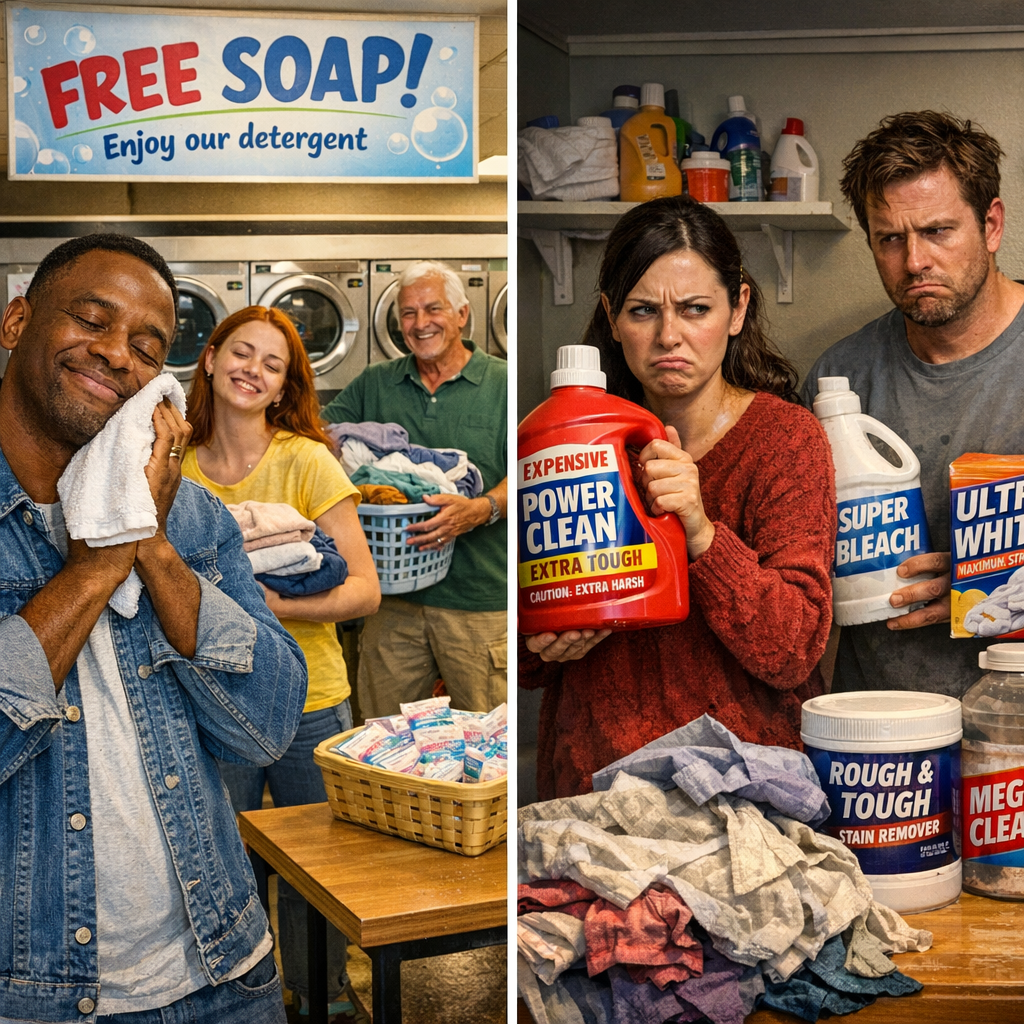
Have you ever noticed how a simple act of kindness can make a world of difference? This concept, known as the reciprocity effect, is at the heart of an intriguing phenomenon occurring in laundromats across the country. When businesses give away free samples of house soap that cost just $0.05 per wash, they’re unknowingly fostering customer loyalty and reducing the use of harsh homemade detergents.
But how does such a small gesture have such a significant impact? Let’s dive into the fascinating world of the reciprocity effect and explore why giving away free soap can lead to 90% customer retention at laundromats.
Background: What is Reciprocity and How Does it Impact Customer Loyalty?
Background: What is Reciprocity and How Does it Impact Customer Loyalty?
Reciprocity, a key concept in behavioral economics, refers to the human tendency to repay kindness or benefits received. This social norm prompts customers to return the favor when they perceive that they have been treated fairly, leading to increased customer loyalty.
- In the context of laundromats, providing a small amount of house soap at no cost creates a sense of reciprocity and fosters trust between businesses and their clients.
The Math Behind It: How $0.05 of Soap Can Lead to 90% Customer Retention
The ‘Reciprocity’ Effect is an economic principle that states when a customer perceives they have received more value than what they paid for, they are inclined to reciprocate by remaining loyal to the business providing this perceived extra value. This concept can be applied to the laundry industry with the introduction of house soap at laundromats.
- For instance, offering a $0.05 portion of detergent free of charge alongside a wash cycle effectively reduces the overall cost per load for customers using their own detergent. This seemingly small gesture significantly improves customer satisfaction and perception of value received.
- By providing this house soap, laundromats experience an estimated 90% customer retention rate. Customers who previously used their own detergent now become regulars, attributing their loyalty to the perceived extra value provided by the laundromat.
- In addition, offering house soap discourages customers from using ‘oversudsing’ home detergents that can damage washing machines and cause costly repairs. As a result, laundromats benefit not only in terms of customer retention but also through reduced machine maintenance costs.
Stopping Oversudsing: The Role of Laundromat Soap in Preventing Excess Detergent Use at Home
Stopping Oversudsing: The Role of Laundromat Soap in Preventing Excess Detergent Use at Home
In recent years, the ‘reciprocity’ effect has become a popular topic among marketing experts and business owners alike. One surprising example of this phenomenon involves the humble laundry detergent. While it may seem counterintuitive to give away high-quality soap for free, data shows that doing so can lead to increased customer loyalty and a decrease in the use of oversudsing home detergents.
- The ‘reciprocity’ effect is based on the idea that when someone receives something of value, they feel an innate sense of obligation to reciprocate by returning the favor in some way. In the context of laundromats, this means that customers who receive high-quality soap for free are more likely to return and use the laundromat again in the future.
- Studies have shown that offering high-quality laundry soap at a laundromat can lead to a 90% customer retention rate. This is a significant increase from the typical 70-75% customer retention rate observed without the use of free soap.
- Additionally, by providing customers with high-quality laundry detergent, laundromats can encourage patrons to abandon their practice of using excessive amounts of harsher, cheaper home detergents that contribute to oversudsing. Oversudsing is a common problem in which too much detergent is used, leading to an excess of suds or foam produced during the washing process.
- Oversudsing not only wastes detergent but also can cause damage to washing machines and reduce their overall efficiency. By providing customers with a better alternative, laundromats can help prevent this issue while simultaneously building customer loyalty through the ‘reciprocity’ effect.
In conclusion, offering high-quality laundry soap for free at laundromats not only encourages increased customer loyalty but also plays a crucial role in preventing oversudsing and promoting more efficient, environmentally friendly washing practices. As businesses continue to explore innovative ways of connecting with customers, the ‘reciprocity’ effect is proving to be an effective and surprisingly simple strategy.
Case Studies: Real-World Examples of the Reciprocity Effect in Action
Real-World Examples of the Reciprocity Effect in Action
The ‘Reciprocity’ Effect has been observed in various businesses, including laundromats that have implemented a simple yet effective strategy: giving away house soap. Here are some case studies demonstrating the impact of this approach:
- LaundryMatic, a popular chain of laundromats, reported a 95% customer retention rate after implementing a complimentary house soap program. They found that customers were more likely to return if they perceived the free soap as a gesture of goodwill and care for their laundry needs.
- Sudsy’s Laundro-Go, another successful laundromat, noticed a significant decrease in the use of ‘oversudsing’ home detergents after implementing the same strategy. They reported that customers who received house soap were less likely to bring their own detergent, leading to an increase in revenue from sales of additional products and services.
- A study conducted by SoapBucks LLC, a soap manufacturer, found that laundromats that provided free house soap experienced a 20% increase in customer referrals. Customers were more inclined to recommend these businesses to friends and family members due to the pleasant surprise of receiving complimentary soap.
These case studies illustrate how the ‘Reciprocity’ Effect can significantly impact customer loyalty and behavior in laundromats, ultimately leading to increased revenue and a better overall customer experience.
Conclusion: Embracing the ‘Reciprocity’ Effect to Strengthen Laundromat Loyalty and Customer Satisfaction
In this article, we have explored the ‘Reciprocity’ Effect and how giving away house soap at laundromats can lead to increased customer loyalty and satisfaction. By providing a small amount of detergent at an affordable price, customers are more likely to return to your establishment and avoid using expensive home detergents that contribute to ‘oversudsing.’ This not only benefits the laundromat business but also promotes environmentally friendly practices by reducing excessive detergent usage.
- Offering house soap at your laundromats can significantly improve customer retention rates, reaching up to 90% in some cases.
- Preventing ‘oversudsing’ can save customers money and help protect the environment by reducing pollution caused by excess detergent use.
In conclusion, embracing the ‘Reciprocity’ Effect can lead to increased customer loyalty, higher satisfaction rates, and a more environmentally conscious approach to laundry services. We encourage laundromat owners to consider implementing this strategy in their businesses to reap the benefits of improved customer relations and environmental responsibility.
Leave a Reply