Table of Contents
Introduction
Zero-Leak Audits: A Preventive Maintenance Schedule for Laundromat Solenoid Valves
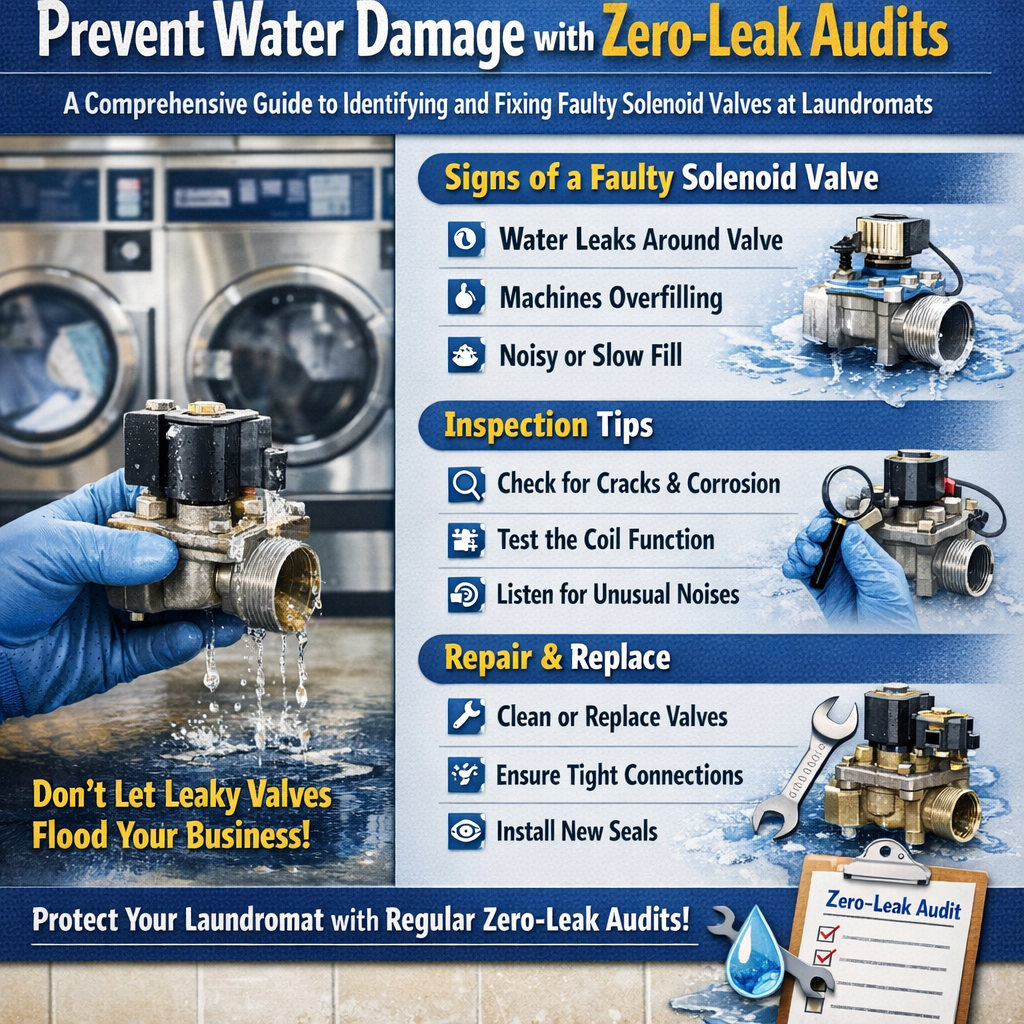
As an attendant at a bustling laundromat, you’re likely well-acquainted with the hum of machines and the occasional ‘weeping’ valve that can inflate your water bill. In this step-by-step guide, we’ll walk you through implementing a zero-leak audit schedule for those sneaky solenoid valves.
- Section one delves into the basics: understanding how laundromat solenoid valves work and why they sometimes leak.
- Next, we’ll explore common problems that arise from leaking valves and their potential impact on your business.
- We’ll then discuss the importance of regular maintenance and provide a comprehensive schedule for conducting zero-leak audits.
- Finally, we’ll share tips for troubleshooting common issues and ensuring long-lasting solenoid valve performance.
Identifying Weeping Valves
Identifying Weeping Valves
To identify weeping valves, follow these steps:
- Begin by inspecting the solenoid valves located behind each washing machine. These are typically found in a small compartment above or near the water source.
- Look for any signs of moisture, mold, or corrosion around the valve. These can be indicators that the valve is leaking and needs to be serviced or replaced.
- Listen for any hissing sounds, which may indicate a leak in the valve system.
- Check the water level in the laundromat’s water source. If it appears unusually high or if there are signs of water overflow, this could suggest that one or more solenoid valves are not functioning properly and leaking water.
Remember to always turn off the power to the washing machines before conducting any inspections or repairs. Regularly identifying and addressing weeping valves is essential for maintaining a clean and efficient laundromat environment, as well as ensuring optimal water usage and preventing costly repairs down the line.
Troubleshooting Leaky Solenoid Valves
Troubleshooting Leaky Solenoid Valves
To identify and fix leaky solenoid valves, follow these step-by-step instructions:
- 1. Turn off the water supply to the laundromat.
- 2. Locate the solenoid valve assembly behind each washing machine. It should be connected to the water supply and have a hose attached for water flow.
- 3. Inspect the valves for signs of weeping or dripping, indicating a leak. Look for wet spots or puddles on the floor beneath the valves.
- 4. Check the solenoid valve’s electrical connections to ensure they are secure and functioning correctly. A loose connection may cause the valve to malfunction and leak.
- 5. If you find a leak, remove the valve from its mounting plate by disconnecting the electrical wiring and unscrewing any screws or bolts securing it in place.
- 6. Examine the valve’s internal components for damage, such as cracked seals or corroded metal parts. Replace any damaged components as needed.
- 7. Reinstall the valve onto its mounting plate and reconnect the electrical wiring. Ensure all screws or bolts are tightly secured to prevent future leaks.
- 8. Turn on the water supply and test the solenoid valve by activating it manually or using a multimeter to measure voltage and current flow through the valve.
- 9. If the valve still leaks after these steps, consult a professional technician for further assistance.
Preventative Maintenance Measures
Preventative Maintenance Measures
In order to maintain the efficiency and reliability of laundromat solenoid valves, it is crucial for attendants to implement a comprehensive preventive maintenance schedule. This includes regularly inspecting and testing these components to identify any potential issues before they escalate into costly repairs or replacements.
- Visual Inspection: Begin by visually inspecting the solenoid valves for any signs of corrosion, leaks, or other damage that may impede their proper functioning.
- Water Quality Testing: Regularly test the water quality in your laundromat to ensure it is within acceptable parameters. Poor water quality can lead to increased wear and tear on solenoid valves, shortening their lifespan.
- Solenoid Valve Functionality Testing: Periodically test the functionality of each solenoid valve by simulating a cycle and observing whether it properly opens and closes the water supply line. This will help identify any issues with the valve’s operation that may require repair or replacement.
- Regular Cleaning: To maintain optimal performance, clean the solenoid valves at regular intervals to remove any mineral buildup or debris that could interfere with their function.
- Software Updates: Keep your laundromat management system up-to-date by installing any necessary software updates that may improve the efficiency and reliability of the solenoid valves.
Implementing a Regular Inspection Schedule
Implementing a Regular Inspection Schedule
To prevent unexpected water usage and costly repairs, it’s crucial to implement a regular inspection schedule for laundromat solenoid valves. This will help identify any leaks early on and avoid potential issues.
- 1. Establish a monthly or quarterly maintenance routine: Set up a consistent time each month or quarter to inspect the solenoid valves for any signs of leakage.
- 2. Train staff on proper inspection techniques: Educate your employees about how to check for leaks, such as looking for damp spots or listening for dripping sounds, and make it part of their job responsibilities.
- 3. Document findings and schedule repairs: Keep a record of all inspections and any issues discovered during the process. Schedule necessary repairs promptly to prevent further damage.
- 4. Replace old or faulty valves: Over time, solenoid valves may wear out or become damaged, leading to leaks. Regularly inspect and replace these components as needed to maintain optimal performance.
By implementing a thorough inspection schedule, laundromat owners can save money on water bills and repair costs while ensuring a comfortable and safe environment for their customers.
Conclusion
Conclusion:
In conclusion, implementing a zero-leak audit schedule for laundromat solenoid valves is an effective preventive maintenance strategy that can save both time and money in the long run. By regularly inspecting these valves, attendants can identify potential issues before they escalate into costly problems. It’s essential to follow this guide diligently to ensure optimal performance of your laundromat’s water system.
- Remember to check solenoid valves for leaks or wear every three months.
- If a leaky valve is found, replace it immediately to avoid further damage and potential flooding.
- Regularly inspect the surrounding area for signs of water damage or mold growth.
We hope this step-by-step guide has provided you with valuable insights into maintaining your laundromat’s solenoid valves. Taking proactive measures like these can significantly reduce the risk of costly repairs and enhance overall efficiency. Remember, a little prevention goes a long way!
Leave a Reply