Table of Contents
- Introduction: The Problem with Sulfur Odors in Laundromat Front-Loaders
- Understanding Bio-Film: What It Is and How It Forms on Commercial Drums
- Chemical Stripping Process: Breaking Down the Slime and Removing Its Odor
- Choosing the Right Cleaning Products for Efficient Stripping
- Step-by-Step Guide: How to Strip Bio-Film from Commercial Drums in Your Laundromat
- Conclusion: Tackling Sulfur Odors with Effective Stripping Techniques
Introduction: The Problem with Sulfur Odors in Laundromat Front-Loaders
Stripping Bio-Film: Why Your Laundromat Front-Loaders Smell Like Sulfur
Have you ever noticed a pungent sulfur smell coming from your laundromat’s front-loading washing machines? You’re not alone. This peculiar scent is often the result of bio-film buildup on the drum interiors, which requires a specialized chemical stripping process to remove.
- Learn about the causes of this unique odor and how to tackle the issue with an effective cleaning strategy.
- This technical guide will walk you through the chemical stripping process needed to eliminate the stubborn bio-film from commercial washing machine drums, ensuring a fresh and clean laundry experience every time.
At first glance, it may seem like these modern front-loading machines are immune to such problems. However, even the most advanced appliances can fall victim to the pesky growth of bio-film, a slimy layer of microorganisms that can accumulate on surfaces and wreak havoc on your washing experience.
Understanding Bio-Film: What It Is and How It Forms on Commercial Drums
Understanding Bio-Film: What It Is and How It Forms on Commercial Drums
Bio-film is a community of microorganisms, such as bacteria or fungi, that adhere to surfaces and produce extracellular polymeric substances (EPS). These substances serve as a protective barrier for the microbes and enable them to form complex, multicellular communities. In commercial drums, bio-film can develop on the inner surface, particularly if the drum is not thoroughly cleaned between uses.
The formation of bio-film on commercial drums can be attributed to several factors:
- Temperature: Microbes thrive in warm and moist environments, which are common inside closed commercial drums. This provides an ideal habitat for bacterial growth and bio-film formation.
- Nutrient Availability: The contents of commercial drums often provide ample nutrients for microbial growth, such as sugars, amino acids, or other organic compounds that can fuel the development of a bio-film community.
- Surface Properties: The smooth, non-porous surface of most commercial drums allows microbes to attach and form a bio-film more easily than if they were on a rougher surface. This makes it difficult for regular cleaning cycles to reach and remove all bio-film formations.
Chemical Stripping Process: Breaking Down the Slime and Removing Its Odor
Chemical Stripping Process: Breaking Down the Slime and Removing Its Odor
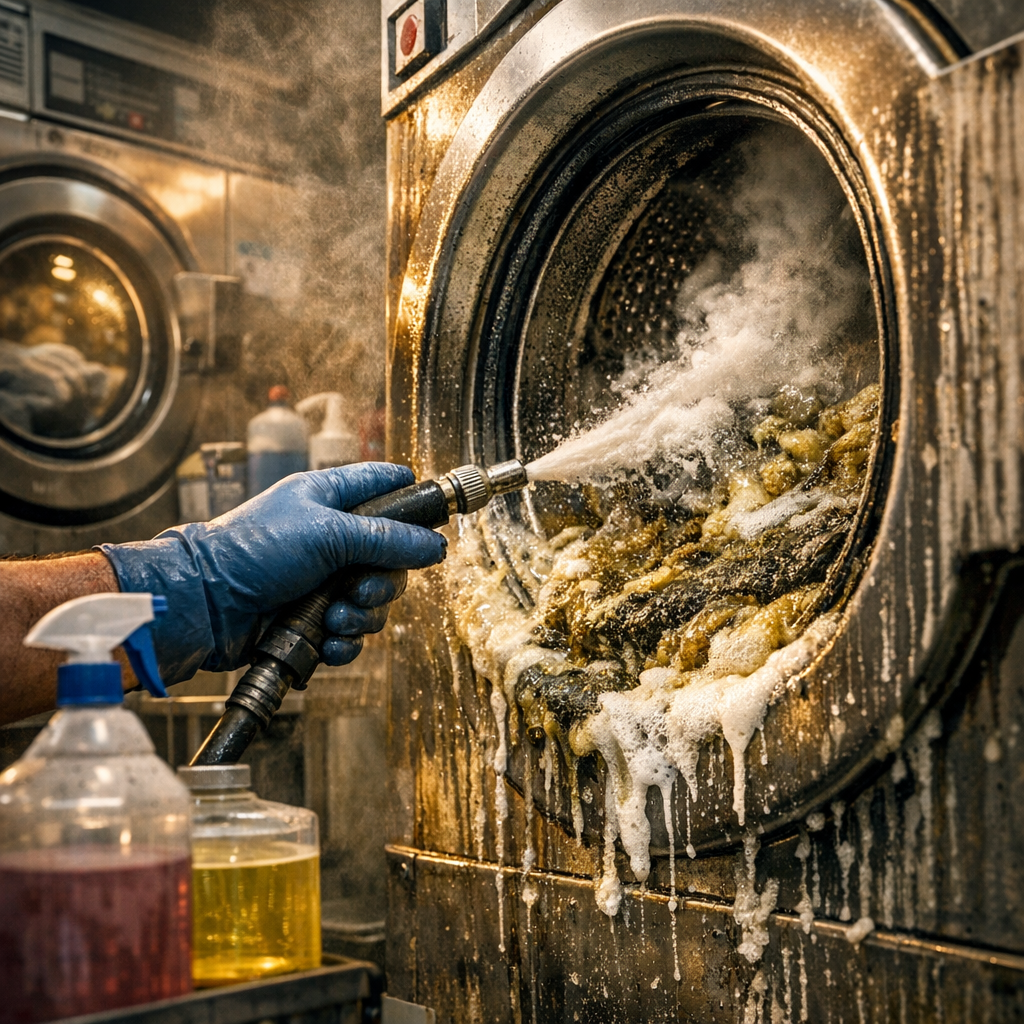
The chemical stripping process involves using specific cleaning agents to break down and remove bio-film, a slimy layer that can form on the back side of commercial drums. This is important because regular ‘clean cycles’ often cannot reach this area, leading to potential contamination or odor issues.
- First, identify the type of bio-film present. Bio-film can be comprised of various microorganisms, including bacteria, fungi, and algae. Understanding the specific type of bio-film will help determine the most effective cleaning agents to use.
- Next, select an appropriate chemical stripper. These cleaners are designed to break down the bio-film’s protective layer, allowing other cleaning agents to penetrate and remove it more effectively. Commonly used chemicals include citric acid, hydrochloric acid, and sodium hydroxide.
- Apply the chemical stripper according to the manufacturer’s instructions. This may involve spraying or immersing the commercial drums in the cleaner.
- Allow the chemical stripper to work for the recommended time frame before rinsing it off with water. The effectiveness of the cleaning process should be visible and measurable, as the bio-film will begin to dissolve and separate from the drum’s surface.
- Follow up with additional cleaning agents, such as enzymatic or abrasive cleaners, to remove any remaining traces of bio-film. This step is crucial in eliminating potential odor issues associated with the bio-film’s decomposition.
Choosing the Right Cleaning Products for Efficient Stripping
Choosing the Right Cleaning Products for Efficient Stripping
To effectively strip bio-film from commercial drums, you must choose the right cleaning products that work synergistically to break down and remove the slime layer.
- Alkaline Cleaners: These are essential for dissolving proteins, fats, and other organic matter in the bio-film. They also help to soften the bio-film, making it easier to scrub off. Look for cleaners with a pH level of 12 or higher.
- Abrasive Materials: Abrasives like baking soda, coarse salt, or specialized cleaning powders can help mechanically remove the bio-film once it has been chemically broken down by alkaline cleaners.
- Enzyme-Based Cleaners: Enzymes are proteins that act as catalysts for chemical reactions. In this case, they help break down complex organic compounds in the bio-film into simpler molecules that can be more easily removed. Look for enzyme-based cleaners specifically designed for removing bio-film from commercial drums.
- Sulfur-Containing Cleaners: Sulfur-based cleaning agents can help combat the sulfur smell often associated with bio-film buildup in laundromat front-loaders. These products work by neutralizing the sulfur compounds present in the slime, reducing its impact on your clothes and the washing machine.
When selecting cleaning products for efficient stripping of bio-film, it’s essential to consider their compatibility with one another. Be sure to follow the manufacturer’s instructions for mixing and applying the products to achieve optimal results without causing damage or residue buildup.
Step-by-Step Guide: How to Strip Bio-Film from Commercial Drums in Your Laundromat
Step-By-Step Guide: How to Strip Bio-Film from Commercial Drums in Your Laundromat
To effectively strip bio-film from commercial drums, follow these steps:
- 1. Gather necessary materials and equipment, including a specialized chemical stripper solution, safety gear (gloves, goggles, etc.), and a suitable workspace for the process.
- 2. Empty the contents of the commercial drum to be treated into an appropriate container or receptacle.
- 3. Mix the chemical stripper solution according to the manufacturer’s instructions, taking care to use the correct amount and proportions of chemicals in order to achieve optimal results.
- 4. Apply the mixed chemical stripper solution evenly to the inner surface of the commercial drum using a brush or other suitable applicator.
- 5. Allow the chemical stripper to penetrate the bio-film for a period of time, as recommended by the manufacturer; typically, this will be around 30 minutes to an hour.
- 6. Using a clean, non-abrasive cloth or sponge, scrub the inner surface of the commercial drum thoroughly to remove any remaining bio-film residue.
- 7. Rinse the commercial drum with water to neutralize any residual chemical stripper solution and ensure that all traces of bio-film have been removed.
- 8. Dry the commercial drum with a clean, lint-free cloth or allow it to air dry before refilling it with contents.
By following this step-by-step guide, you can effectively strip bio-film from commercial drums in your laundromat, ensuring that your machines continue to operate efficiently and without unpleasant odors caused by the buildup of organic matter on their surfaces.
Conclusion: Tackling Sulfur Odors with Effective Stripping Techniques
Conclusion: Tackling Sulfur Odors with Effective Stripping Techniques
In conclusion, addressing sulfur odors in your laundromat front-loaders requires a thorough understanding of the bio-film stripping process. Utilizing effective stripping techniques can significantly reduce or eliminate these unpleasant smells, improving both the overall laundry experience and maintaining a clean, hygienic environment. Remember to always follow the manufacturer’s guidelines for chemical usage and maintain regular cleaning schedules to prevent future buildup.
- Always adhere to the manufacturer’s recommended chemical usage
- Regularly service your washing machine to prevent bio-film buildup
- Address any issues promptly to avoid further sulfur odor escalation
Leave a Reply