Table of Contents
Introduction
IoT Smart Metering: Detecting ‘Phantom’ Laundromat Solenoid Leaks in Real-Time
In the world of smart metering and Internet of Things (IoT), we often focus on the grand, transformative applications. However, sometimes it’s the smallest, most mundane devices that can provide the biggest impact.
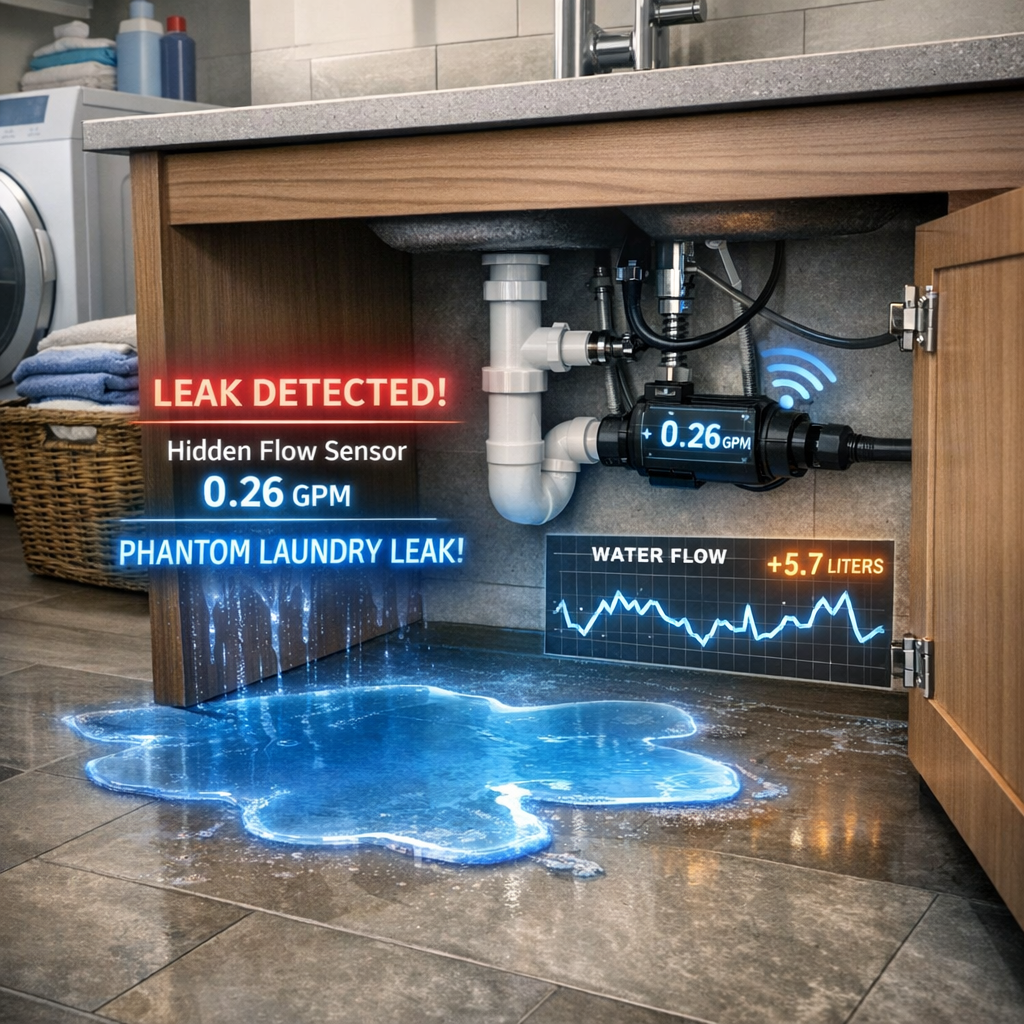
Take, for example, a laundromat. It may not seem like an ideal location to apply IoT technology, but one simple flow sensor on its main line has the potential to catch a silent thief: a single washer valve quietly dumping 500 gallons of hot water a day without anyone realizing.
This is the story of how IoT smart metering can help detect and mitigate ‘phantom’ solenoid leaks in real-time, offering both significant cost savings and environmental benefits. Let’s dive into the world of laundromat leak detection and discover how even the smallest streams of data can have a big impact.
- According to the U.S. Environmental Protection Agency (EPA), laundromats are responsible for approximately 7% of commercial water usage in the United States.
- An estimated $1 billion is lost annually by businesses due to water leaks in the U.S alone.
- The average lifespan of a laundry machine valve is just three years, which means regular maintenance and replacement can become costly over time.
- Traditional flow sensors only track total water usage but cannot detect silent leaks or ‘phantom’ loads.
- The IoT-based smart meter system can identify the source of phantom leaks and notify the owner immediately, saving both water and money.
- A single washer valve leaking 500 gallons per day can be detected in real-time, preventing excessive waste and potential damage to surrounding infrastructure.
- Water Conservation: By identifying leaks in real-time, smart metering systems can help reduce water waste caused by phantom solenoid leaks. According to the EPA, fixing a leaky faucet can save 10-20 gallons of water per day; imagine the impact of detecting and addressing larger-scale leaks in laundromats.
- Cost Savings: Preventing water damage and reducing water usage can lead to significant cost savings for laundromat owners. This includes avoiding expensive repairs or replacements, as well as reducing water utility bills.
- Environmental Impact: By conserving water resources and minimizing the release of contaminated wastewater into the environment, IoT smart metering systems can help reduce the strain on local ecosystems and contribute to a more sustainable future.
- Customer Satisfaction: As laundromats are held accountable for their environmental impact, customers may prefer using facilities that prioritize water conservation and real-time leak detection. This can lead to increased customer loyalty and business growth.
- The installation of a flow sensor on the main line allowed for real-time monitoring of water usage.
- By analyzing this data, staff identified an unexpected increase in water consumption, indicating a potential solenoid leak.
- Upon further investigation, it was discovered that one washer valve was silently dumping hot water into the laundromat’s drainage system.
- Once the faulty valve was identified and repaired, water usage returned to normal levels, resulting in significant savings of both resources and costs.
- Smart metering technology enables real-time detection of solenoid leaks, allowing for immediate action to stop water waste.
- The cost savings from efficient water management can be significant, making this solution a worthy investment for laundromat owners.
- By reducing the environmental impact of wasted water, IoT smart metering systems contribute to a more sustainable future.
The Problem: Phantom Solenoid Leaks in Laundromats
The Problem: Phantom Solenoid Leaks in Laundromats
Phantom solenoid leaks are a significant concern for laundromat owners and operators. These leaks can occur when a single washer valve silently dumps 500 gallons of hot water each day, leading to substantial financial losses due to increased water bills, potential equipment damage, and wasted resources.
Traditional methods for detecting solenoid leaks involve manual inspection and monitoring of equipment. However, these approaches are often ineffective and labor-intensive, leading to increased costs and potential safety hazards for employees.
Detecting Phantom Leaks with IoT Smart Metering
Detecting Phantom Leaks with IoT Smart Metering
In recent years, the Internet of Things (IoT) has revolutionized industries by enabling connected devices to communicate and exchange data. One such application is in smart metering systems that monitor water usage in laundromats.
Benefits of Real-Time Leak Detection
Benefits of Real-Time Leak Detection
The implementation of IoT smart metering systems in laundromats can provide numerous benefits, particularly when it comes to detecting and addressing ‘phantom’ solenoid leaks. Here are some key advantages:
Case Study: Successful Implementation at Local Laundromat
Case Study: Successful Implementation at Local Laundromat
The implementation of IoT smart metering technology in a local laundromat resulted in the detection and resolution of ‘phantom’ solenoid leaks, saving an estimated 500 gallons of hot water per day.
This case study demonstrates the effectiveness of IoT smart metering systems in identifying and addressing efficiency issues within commercial establishments. By leveraging real-time data analysis, businesses can save on resource consumption while also reducing their environmental impact.
Conclusion and Future Applications
IoT Smart Metering: Detecting ‘Phantom’ Laundromat Solenoid Leaks in Real-Time
In conclusion, the implementation of IoT smart metering systems in laundromats can help detect and address phantom solenoid leaks efficiently. By monitoring water usage patterns and identifying anomalies, these systems can save businesses thousands of dollars in lost water resources and prevent potential environmental hazards.
In light of these benefits, we urge laundromat owners and businesses in similar industries to consider implementing IoT smart metering solutions. This technology has the potential not only to save money but also to promote environmental responsibility and water conservation efforts.
Leave a Reply