Table of Contents
Introduction
The Impact of ‘Hard Water’ on Laundromat Heating Elements and Gas Efficiency
Hard water poses a significant challenge for laundromats, affecting not only their heating elements but also their gas efficiency. In this article, we will explore the scale buildup on boiler coils and how just 1mm of calcium can increase your laundromat’s gas bill by 10%. Let’s dive into the world of hard water and its impact on laundromats.
Hard water, characterized by high levels of dissolved minerals such as calcium and magnesium, has long been known to cause issues in various industries. One such industry is the laundromat business, where hard water can lead to significant increases in operating costs due to inefficient heating elements and gas usage.
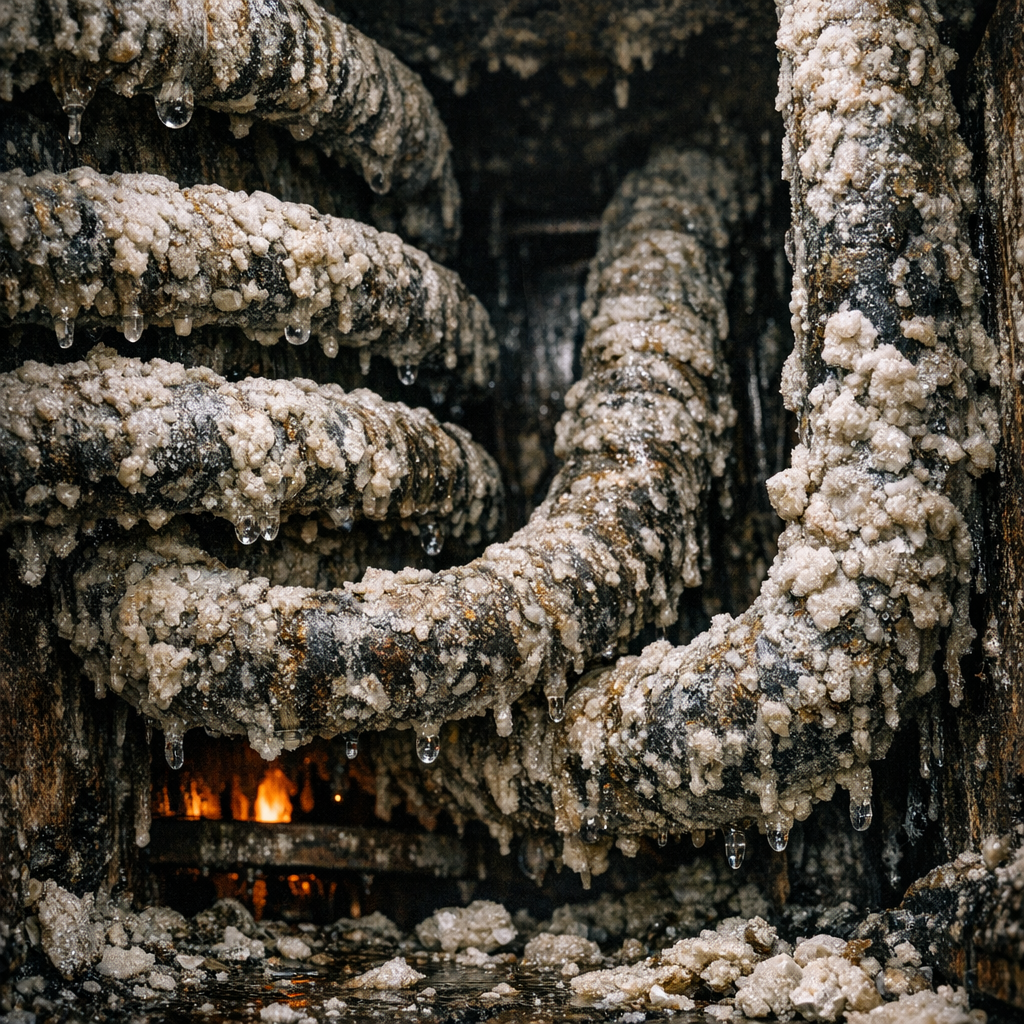
The issue lies in the scale buildup on boiler coils, which occurs when dissolved minerals in hard water precipitate out of solution and form a layer of deposits on the coil surfaces. This layer, if left unchecked, can grow to a thickness of just 1mm before it becomes noticeable to the naked eye. Despite its seemingly insignificant thickness, this amount of scale buildup can have drastic consequences for laundromat operations.
As the scale buildup thickens, it acts as an insulator, preventing heat from transferring efficiently from the boiler to the surrounding water. This results in the heating element working harder to maintain the desired temperature and ultimately leads to increased energy consumption and higher gas bills for laundromat owners. In fact, research has shown that even a 1mm layer of scale can increase a laundromat’s gas bill by as much as 10%.
In this article, we will examine the impact of hard water on laundromat heating elements and gas efficiency in greater detail. We will explore the various factors contributing to scale buildup and discuss strategies for preventing and mitigating its effects. By understanding the consequences of hard water in laundromats, business owners can take steps to protect their investments and maintain optimal operational efficiency.
Understanding Hard Water and its Impact
Understanding Hard Water and its Impact
Hard water, characterized by high concentrations of calcium and magnesium ions, can have a significant impact on laundromat heating elements and gas efficiency. In this section, we will explore the causes and consequences of hard water buildup in laundromat boilers.
- Causes: Hard water is typically caused by natural groundwater sources containing high levels of minerals, such as calcium and magnesium ions. These minerals can dissolve into water, leading to the formation of hard water.
- Consequences:
- Boiler Corrosion: The high concentration of calcium and magnesium ions in hard water can lead to corrosion within boiler coils, causing damage to the heating elements and reducing their efficiency over time.
- Scale Buildup: Over time, hard water can cause a buildup of mineral deposits on the inner surfaces of boiler coils. This scale buildup not only reduces heat transfer efficiency but also increases the risk of overheating and failure of the heating elements.
- Increased Gas Consumption: As little as 1mm of calcium carbonate scale buildup in your laundromat’s boiler coils can increase your gas bill by up to 10%. This is due to the reduced efficiency of the heating elements, which require more energy to maintain the desired temperature and provide adequate heat exchange.
The Significance of Boiler Scale Buildup
The Significance of Boiler Scale Buildup
Boiler scale buildup is a critical concern for laundromat owners due to its potential impact on heating elements and gas efficiency.
- When calcium carbonate forms scale inside boiler coils, it reduces heat transfer by up to 25%, causing the system to work harder to maintain water temperature.
- In turn, this increases energy consumption and raises gas bills for laundromat owners by as much as 10% per year, with every 1mm of calcium buildup contributing to higher operating costs.
- Regularly descaling your boiler can help prevent scale buildup, improve heating element efficiency, and reduce overall energy usage at your laundromat.
Measuring Calcium Deposits
Measuring calcium deposits is crucial for understanding the impact of hard water on laundromat heating elements and gas efficiency. To measure these deposits, one must first collect water samples from the laundromat’s supply. These samples can then be analyzed using a simple titration process to determine the concentration of calcium ions present.
- Begin by collecting multiple water samples from various points within the laundromat, ensuring that each sample represents an average concentration of calcium in the system.
- Using a clean and dry burette, fill it with a standardized solution of calcium chloride. Place the tip of the burette into the first water sample and slowly add the calcium chloride solution until the solution turns cloudy. Record this volume as V1.
- Repeat this process for each remaining water sample, recording the corresponding volumes as V2, V3, etc.
- To calculate the average concentration of calcium ions in the laundromat’s water supply, use the following formula: (V1 + V2 + … + VN) / N. This will provide a clear understanding of the scale buildup on boiler coils and its potential impact on heating elements and gas efficiency.
By measuring these calcium deposits, laundromat owners can identify areas for improvement in their system’s efficiency while also reducing energy costs and prolonging the life of their heating elements. Regular maintenance and monitoring of calcium concentrations will ensure that your laundromat runs at peak performance, minimizing the negative effects of hard water on your equipment and utility bills.
Addressing the Issue: Prevention and Treatment
Addressing the Issue: Prevention and Treatment
Preventing scale buildup in laundromat heating elements is crucial to maintain efficiency and extend the life of the equipment. Here are some effective prevention and treatment methods:
- Regular maintenance: Periodically inspecting and cleaning the boiler coils can help prevent significant scale buildup.
- Water softening: Installing a water softener can significantly reduce the mineral content in the water, preventing scale formation.
- Alternative water sources: Using treated or distilled water instead of hard water can keep your laundromat’s heating elements functioning optimally.
For existing scale buildup, various treatment methods are available:
- Chemical descaling: A chemical solution is circulated through the boiler to dissolve and remove scale deposits.
- Mechanical descaling: This method involves physically removing the scale using tools or specialized equipment.
- Inhibitors: Chemical inhibitors can be added to the water to prevent further scale buildup while existing deposits are dissolved away.
Conclusion: The Importance of Maintaining Laundromat Efficiency
The Importance of Maintaining Laundromat Efficiency
In conclusion, the impact of hard water on laundromat heating elements and gas efficiency is significant and cannot be overlooked. The buildup of scale on boiler coils can lead to a decrease in efficiency, resulting in higher energy bills for laundromats. As highlighted in this article, even just 1mm of calcium build-up can increase your laundromat’s gas bill by as much as 10%. It is crucial for laundromat owners and operators to be aware of the potential consequences of hard water and take necessary steps to maintain their equipment’s efficiency.
To avoid the negative effects of scale buildup, regular maintenance and descaling services should be performed on your laundromat’s boiler system. This includes inspecting heating elements for damage or wear, monitoring gas usage patterns, and maintaining proper water levels in the system. By investing time and resources into the care of your laundromat equipment, you can ensure that it operates at peak efficiency, ultimately saving money on energy costs and prolonging the lifespan of your machines.
- Regular maintenance and descaling services are key to maintaining laundromat efficiency
- Inspect heating elements for damage or wear
- Maintain proper water levels in the system
- Investing time and resources into equipment care can save money on energy costs and prolong machine lifespan
Leave a Reply