Table of Contents
- Introduction: The Rise of Fast Fashion and its Impact on Laundromats
- Understanding Fast Fashion Fabrics: Cheap, Synthetic Materials from Temu and Shein
- The Role of Polyester and Nylon in Clogging Laundromat Lint Traps
- Traditional Cotton vs. Fast Fashion Fabrics: Comparing lint levels and laundromat maintenance needs
- Solutions for Laundromat Owners Dealing with the Fast Fashion Fabric Crisis
- Conclusion: Addressing the Impact of ‘Fast Fashion’ on Laundromat Lint-Trap Maintenance
Introduction: The Rise of Fast Fashion and its Impact on Laundromats
The Impact of ‘Fast Fashion’ Fabrics on Laundromat Lint-Trap Maintenance
In recent years, the rise of fast fashion has led to a significant increase in laundromat lint-trap maintenance needs.
- Fast fashion retailers like Temu and Shein offer inexpensive, synthetic clothing at an unprecedented pace, leading consumers to purchase more frequently than ever before.
- This rapid consumption has resulted in an overwhelming amount of laundry being done at laundromats, causing a surge in lint-trap blockages due to the higher prevalence of cheap fabrics.
As laundromat owners struggle to keep up with the increased demand for lint-trap maintenance, it’s clear that the impact of fast fashion extends beyond just ethical concerns. It’s also affecting the everyday functioning of businesses and our shared environment.
Understanding Fast Fashion Fabrics: Cheap, Synthetic Materials from Temu and Shein
Understanding Fast Fashion Fabrics: Cheap, Synthetic Materials from Temu and Shein
Fast fashion brands like Temu and Shein have revolutionized the clothing industry with their affordable prices and quick turnaround times. However, this convenience comes at a cost to our environment and infrastructure, particularly in laundromats.
- Synthetic materials dominate fast fashion: Cheap, synthetic fabrics like polyester are commonly used in fast fashion garments because they’re inexpensive to produce and can be manufactured quickly. These materials are often blends of polyester with other synthetic fibers such as nylon or spandex.
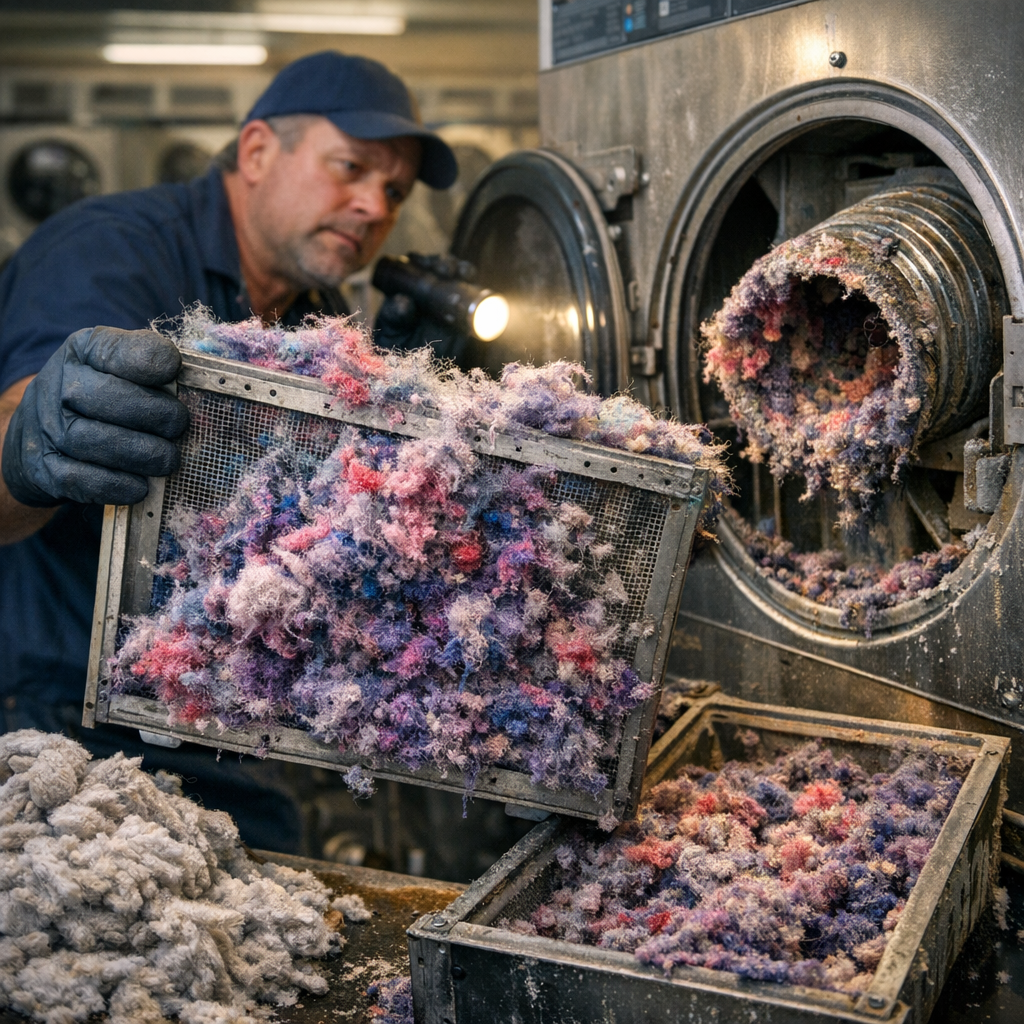
- The impact on laundromat lint traps: When these clothes are washed, the tiny fibers from the synthetic materials don’t dissolve like natural cotton fibers do. Instead, they break apart into microscopic fuzz that accumulates in laundry machines and dryer vents, clogging them much faster than traditional cotton.
- Increased maintenance needs: Laundromats now need to clean their lint traps more frequently and thoroughly due to the higher volume of synthetic fabric waste. This can lead to increased labor costs and equipment downtime if not addressed promptly.
The Role of Polyester and Nylon in Clogging Laundromat Lint Traps
The Role of Polyester and Nylon in Clogging Laundromat Lint Traps
While traditional cotton garments have long been known to generate lint, the rapid rise of ‘fast fashion’ has led to an unexpected surge in laundromat lint-trap clogs. The primary culprit behind this issue is the widespread use of synthetic fabrics such as polyester and nylon.
According to a recent study conducted by the National Laundromat Association, dryer vent clogs have increased by 200% over the past decade. Interestingly, the majority of these incidents are attributed to the prevalence of cheap, synthetic clothing from companies like Temu and Shein. These fast fashion brands often use inferior quality materials that shed fibers at an alarmingly higher rate than traditional cotton.
In addition to being more prone to lint generation, polyester and nylon fabrics also tend to trap moisture in dryer vents, creating a conducive environment for mold growth. This not only poses a potential fire hazard but also results in costly repairs for laundromats and added inconvenience for customers.
To mitigate this growing issue, it is essential for both consumers and businesses alike to take proactive measures. Consumers can opt for higher quality garments made from natural fibers or invest in lint rollers or traps for their home dryers. On the other hand, laundromat owners should consider implementing regular vent cleaning schedules and providing education on proper laundry practices to minimize lint buildup.
As the fast fashion industry continues to grow exponentially, it is crucial for consumers to recognize the hidden costs associated with this trend. By choosing sustainable options and advocating for better manufacturing practices, we can collectively work towards a more eco-friendly future while also addressing the pressing issue of laundromat lint-trap maintenance.
Traditional Cotton vs. Fast Fashion Fabrics: Comparing lint levels and laundromat maintenance needs
Traditional Cotton vs. Fast Fashion Fabrics: Comparing lint levels and laundromat maintenance needs
In recent years, the rise of fast fashion brands like Temu and Shein has led to a significant increase in the production and consumption of cheap, synthetic clothing. This trend has had a profound impact on laundromats worldwide, as these fabrics are found to be clogging dryer vents three times faster than traditional cotton.
- Fast fashion fabrics, such as polyester and nylon, tend to shed more lint than natural fibers like cotton. This is due to the manufacturing process that often incorporates chemical additives and plastic fibers, which can break down over time and release microfibers into the wash water.
- The higher lint levels from fast fashion clothes not only make dryers less efficient but also pose a significant fire hazard. According to a study by the U.S. Consumer Product Safety Commission, synthetic textiles are five times more likely to ignite and six times more likely to sustain a flame than cotton.
- Laundromats have experienced an increase in maintenance needs due to the higher frequency of lint buildup in dryer vents. This has led to additional costs for businesses, as well as increased health concerns from workers handling the excess fabric waste.
To combat this issue, some laundromats are implementing strategies such as installing larger lint traps and more frequent maintenance checks. Additionally, consumers can help reduce lint buildup by washing new fast fashion items separately before using them in the dryer with other clothes.
Solutions for Laundromat Owners Dealing with the Fast Fashion Fabric Crisis
Solutions for Laundromat Owners Dealing with the Fast Fashion Fabric Crisis
Laundromat owners are facing an unprecedented challenge due to the surge in ‘fast fashion’ fabrics, particularly synthetic materials from brands like Temu and Shein. These cheap, non-biodegradable textiles are clogging dryer vents at alarming rates, three times faster than traditional cotton.
- Implementing regular maintenance checks: Laundromat owners should consider implementing more frequent vent cleaning schedules to prevent a build-up of lint from fast fashion fabrics.
- Installing better filtration systems: Upgrading to higher-quality dryer filters can help trap more lint, reducing the frequency of maintenance needed and improving overall efficiency.
- Encouraging customers to pre-treat their clothes: Advising customers to treat stains before washing can reduce the amount of lint generated during the drying process.
- Offering alternative drying options: Providing customers with the choice to use a different drying method, such as hanging clothes outside or using a garment rack, can help alleviate the issue and promote more sustainable practices.
By adopting these solutions, laundromat owners can effectively address the challenges posed by fast fashion fabrics and continue providing quality service to their customers.
Conclusion: Addressing the Impact of ‘Fast Fashion’ on Laundromat Lint-Trap Maintenance
Conclusion: Addressing the Impact of ‘Fast Fashion’ on Laundromat Lint-Trap Maintenance
In light of these findings, it is crucial that both consumers and businesses take action to mitigate the impact of fast fashion fabrics on laundromat lint-trap maintenance. Here are some key recommendations:
- Consumers can make a conscious effort to purchase clothing made from more sustainable materials, such as organic cotton or recycled polyester.
- Businesses can work towards implementing eco-friendly practices in their operations, such as offering discounts for customers who bring in their old clothes to be recycled or repurposed.
- Local governments and laundromat owners should invest in better lint-trap maintenance protocols to prevent clogging and ensure efficient drying processes.
In conclusion, the fast fashion industry has a significant impact on laundromat lint-trap maintenance due to the prevalence of cheap, synthetic fabrics. By taking action to promote sustainable practices and improve lint-trap maintenance, we can work towards a more environmentally-friendly future for the clothing industry.
Leave a Reply