Table of Contents
- Introduction: The Impact of Fast Fashion Micro-Fibers on Laundromat Dryers
- Understanding Shein and Temu Clothes: High-Shedding Fabrics and Their Properties
- The Problem with Traditional Lint Traps: How Micro-Fibers Clog Them Faster
- Adjusting Lint-Trap Schedules for High-Shedding Fabrics: A Potential Solution
- The Environmental Impact of Fast Fashion Micro-Fibers: A Look at the Big Picture
- Conclusion: Rethinking Our Approach to Clothing and Its Maintenance
Introduction: The Impact of Fast Fashion Micro-Fibers on Laundromat Dryers
Fast Fashion Micro-Fibers: Why Newer Clothes Clog Laundromat Dryers Faster
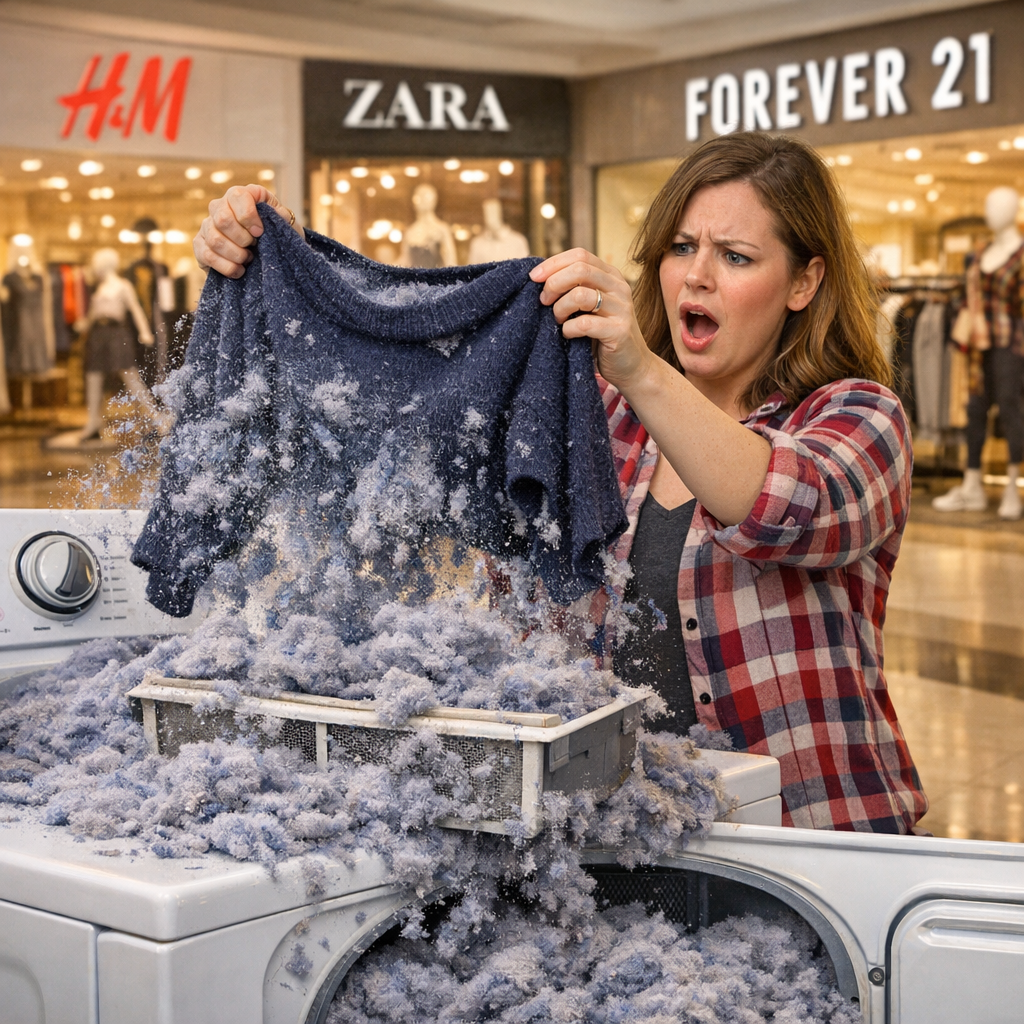
Have you ever noticed an unusual amount of lint accumulating in your laundromat dryer after washing clothes from popular fast fashion brands? If so, you’re not alone. This growing problem is a direct result of the rise in micro-fibers produced by high-shedding fabrics commonly used in fast fashion.
From our daily experiences, we know that fast fashion is convenient and affordable, but its environmental impact has raised concerns worldwide. However, have you ever considered the impact it has on household appliances like your trusty laundromat dryer?
Understanding Shein and Temu Clothes: High-Shedding Fabrics and Their Properties
High-shedding fabrics, such as those commonly found in fast fashion from brands like Shein and Temu, are known for their excessive lint production during the washing and drying process.
- Fabric composition: These high-shedding materials often contain a blend of synthetic fibers, such as polyester or nylon, which have a higher likelihood of releasing microfibers compared to natural fibers like cotton.
- Thread count: The lower the thread count on a fabric, the more likely it is to shed lint. Fast fashion garments tend to feature lower thread counts in order to appear more affordable and attainable, contributing to their increased shedding potential.
- Drying cycle: High-shedding fabrics tend to require longer or more frequent drying cycles due to their increased lint production, which can lead to laundromat machines becoming clogged faster than usual.
Understanding the properties of high-shedding fabrics in fast fashion garments is crucial for consumers and laundromat owners alike. By adjusting lint-trap schedules and maintaining appliances properly, one can minimize the impact of these high-shedding materials on laundry facilities and prolong the life of their clothes.
The Problem with Traditional Lint Traps: How Micro-Fibers Clog Them Faster
Fast fashion’s rapid production and low-quality materials have given rise to a new issue affecting laundry rooms worldwide: micro-fiber pollution. Traditional lint traps struggle to cope with the high-shedding fabrics commonly found in clothes from brands like Shein and Temu, leading to quicker clogging and increased maintenance requirements.
- Fast fashion brands often use synthetic fibers like polyester, which are notorious for shedding during washing.
- The small micro-fibers shed from these garments can quickly accumulate in lint traps, requiring more frequent cleaning or replacement.
- This issue is exacerbated by the sheer number of clothes people purchase from fast fashion brands, leading to increased laundry loads and maintenance challenges at laundromats.
As a result, laundromats are grappling with how to address this growing problem. Some have resorted to installing larger lint traps or additional ones in an effort to manage the increased volume of micro-fibers. Others have begun adjusting their dry-cleaning processes to minimize the shedding of synthetic fabrics.
Consumers can also take steps to reduce the impact of fast fashion on their laundry routines. Opting for natural fibers like cotton and linen, or choosing high-quality garments made from more sustainable materials, can help decrease the amount of micro-fibers generated during washing.
Adjusting Lint-Trap Schedules for High-Shedding Fabrics: A Potential Solution
Adjusting Lint-Trap Schedules for High-Shedding Fabrics: A Potential Solution
Recent studies have shown that fast fashion clothes, especially those from brands like Shein and Temu, are more likely to shed micro-fibers during washing and drying cycles. These micro-fibers can clog lint-traps in laundromat dryers, causing maintenance issues and potentially leading to fires or other hazards.
- High-shedding fabrics commonly found in fast fashion items contain synthetic materials such as polyester and nylon, which are known for their high lint content.
- To address this issue, laundromats can adjust the lint-trap cleaning schedules to accommodate for the higher amount of lint produced by these types of garments. This may include more frequent cleaning or even installing additional lint-traps in dryers.
- In addition to adjusting lint-trap schedules, individuals can take steps to reduce the number of micro-fibers generated during washing and drying. This includes avoiding high heat settings, using mesh laundry bags for delicates, and air-drying whenever possible.
The Environmental Impact of Fast Fashion Micro-Fibers: A Look at the Big Picture
The environmental impact of fast fashion micro-fibers is a growing concern, as these tiny threads contribute to pollution and waste on a massive scale. Studies have shown that the rapid production and consumption of inexpensive clothing items results in an increased generation of microfibers during washing processes.
- According to a report by the Environmental Protection Agency (EPA), synthetic fabrics like polyester, nylon, and acrylic account for around 60% of all textile waste generated in the United States. These materials are more prone to shedding micro-fibers, which can then enter waterways and pose risks to aquatic life.
- A study conducted by the University of Plymouth found that a single wash cycle of a synthetic fabric garment can release up to 1,800 microfibers per rinse cycle. This means that billions of microfibers are released into the environment each year due to fast fashion consumption and laundry habits.
- These micro-fibers are small enough to pass through wastewater treatment plants’ filters, ultimately ending up in oceans, rivers, and lakes. Once ingested by aquatic organisms, these fibers can cause physical harm or be mistaken for food, leading to a decline in wildlife populations.
Conclusion: Rethinking Our Approach to Clothing and Its Maintenance
Conclusion: Rethinking Our Approach to Clothing and Its Maintenance
In light of the fast fashion micro-fibers issue, it is crucial for consumers to reconsider their approach to clothing and its maintenance. Here are some key takeaways:
- Choose high-quality, long-lasting garments over cheap, trendy pieces that quickly become worn out.
- Avoid excessive washing, as this can lead to excess lint production and clogged dryers. Instead, spot-clean when possible and reserve machine-washing for heavily soiled items.
- Regularly clean and maintain your laundry appliances to prevent clogging and ensure optimal performance. Adjust lint-trap schedules based on the fabrics you use most frequently.
- Support sustainable fashion practices by investing in eco-friendly clothing brands that prioritize durability, ethical production methods, and minimal waste.
In conclusion, understanding the impact of fast fashion micro-fibers on laundromat dryers should prompt us to reassess our approach to clothing consumption and maintenance. By making conscious choices about what we wear and how we care for it, we can reduce our ecological footprint and contribute to a more sustainable future.
Leave a Reply