Table of Contents
Introduction
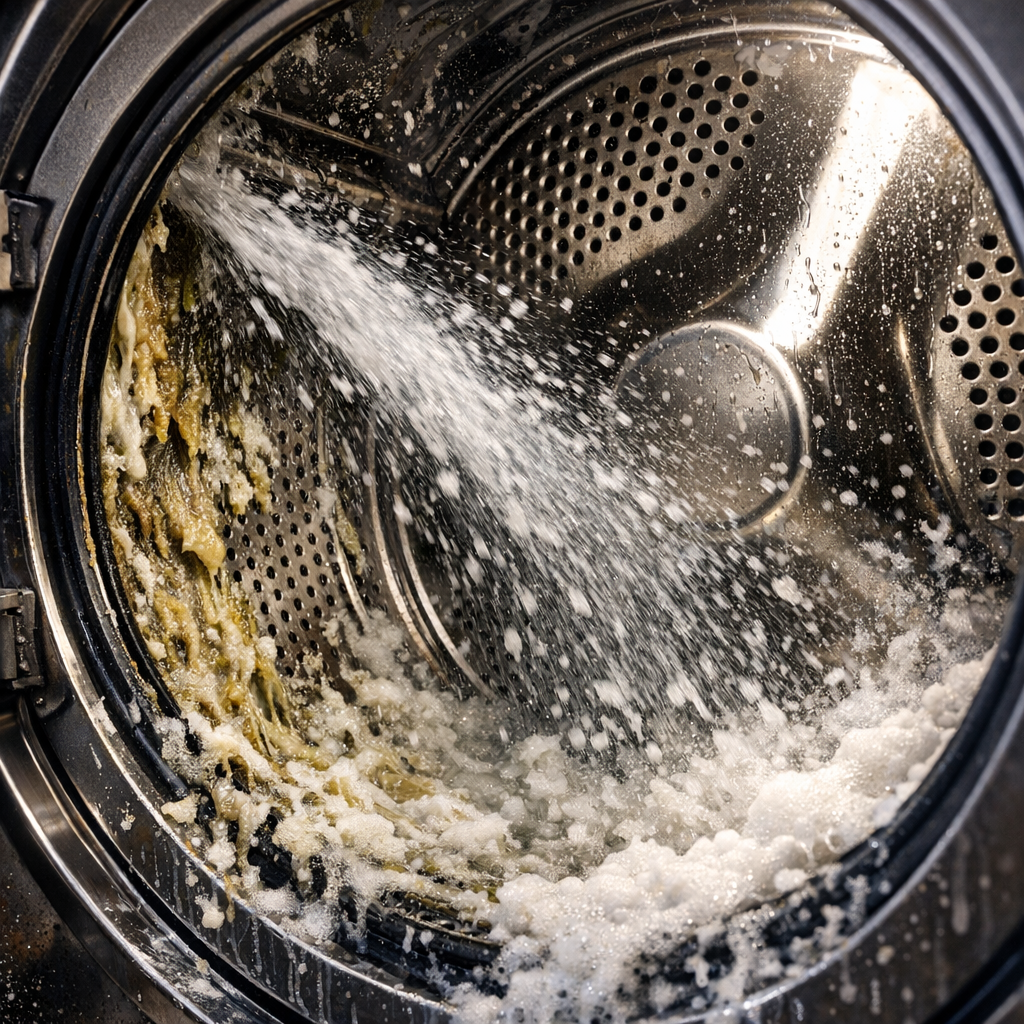
The scourge of bio-film has long plagued commercial laundromats, leaving behind unsightly and potentially hazardous residue on washer drums. This bacterial slime not only defiles the equipment but also poses a significant health risk to customers and employees alike. In this article, we explore an innovative solution: using peracetic acid to sanitize laundromat washer drums effectively.
Peracetic acid, a powerful yet environmentally friendly disinfectant, offers a promising alternative to traditional cleaning methods. By harnessing the power of this remarkable compound, laundromat owners can eliminate bio-film buildup and maintain a hygienic environment for their patrons.
- Peracetic acid’s unique properties make it an ideal choice for bio-film remediation.
- The use of peracetic acid in laundromats has been proven to significantly reduce bacterial contamination.
- By incorporating this eco-friendly solution into their cleaning regimen, laundromat owners can safeguard the health and well-being of their customers and staff.
Understanding Bio-Films and Their Impact on Laundromats
Understanding Bio-Films and Their Impact on Laundromats
Bio-films are complex communities of microorganisms that adhere to surfaces, producing extracellular polymeric substances (EPS) that bind them together and facilitate attachment. In laundromat washer drums, bio-films can grow unchecked, leading to a variety of problems.
- Firstly, the presence of bio-films can result in unpleasant odors, as these microbial communities produce volatile sulfur compounds (VSCs) and other malodorous substances. This can be particularly problematic in commercial settings, where customers are likely to notice and complain about unpleasant smells.
- Secondly, bio-films can reduce the efficiency of laundromat machines by obstructing water flow and heat exchange. This can lead to increased energy consumption and reduced machine lifespan, as well as increased costs for business owners due to higher utility bills and more frequent maintenance requirements.
- Lastly, bio-films can pose a significant health risk if they come into contact with human skin or are ingested accidentally during the washing process. Some of the microorganisms present in these bio-films have been linked to various infections, including staphylococcal and streptococcal infections.
Peracetic Acid: The Key to Sanitizing Washer Drums
Peracetic Acid: The Key to Sanitizing Washer Drums
Peracetic acid, a versatile and powerful disinfectant, has proven effective in breaking down biofilms and eliminating bacteria on laundromat washer drums.
- Biocidal Properties: Peracetic acid’s biocidal properties are attributed to its ability to produce hydrogen peroxide in situ, which can penetrate bacterial cell walls and disrupt their internal structures, leading to rapid cell death.
- Non-Toxic Formulation: Unlike many chemical disinfectants, peracetic acid is formulated with a low concentration of acetic acid, making it less corrosive and safer for equipment and personnel.
- Efficacy Against Biofilms: Peracetic acid has been shown to effectively break down biofilms composed of various bacterial species, including those that are resistant to traditional disinfectants like bleach or quaternary ammonium compounds.
- Environmental Safety: Peracetic acid is naturally occurring and biodegradable, minimizing its environmental impact compared to other chemical disinfectants.
The Technical Process of Stripping Bio-Films with Peracetic Acid
The technical process of stripping bio-films with peracetic acid involves several steps that ensure effective removal of bacterial slime from commercial laundromat washer drums.
- First, the laundromat equipment must be thoroughly cleaned to remove any loose debris and dirt. This can be done using a combination of warm water, detergent, and a soft brush or cloth.
- Next, peracetic acid is mixed with water according to the manufacturer’s instructions. The resulting solution should have a neutral pH and a concentration of around 1-3%.
- The washer drum is then sprayed or soaked in the peracetic acid solution for a specified period, typically between 15 minutes to an hour. This allows the peracetic acid to break down and oxidize the bio-film, effectively killing any bacteria present and leaving behind a sanitized surface.
- After the soaking or spraying process is complete, the washer drum should be thoroughly rinsed with clean water to remove any residual peracetic acid. It may also be necessary to apply a disinfectant or sanitizer to prevent future bacterial growth.
- The final step involves inspecting the washer drum for any remaining bio-film or signs of corrosion. If necessary, the process can be repeated until the desired level of cleanliness is achieved.
Benefits of Using Peracetic Acid for Bio-Film Remediation
Benefits of Using Peracetic Acid for Bio-Film Remediation
Peracetic acid, a natural and non-toxic disinfectant, offers several advantages when used for bio-film remediation in laundromat washer drums.
- Efficacy: Peracetic acid effectively breaks down the bio-film, eliminating bacteria and other microorganisms that contribute to the growth of this slime. This ensures a cleaner and more hygienic environment for laundry equipment.
- Safety: As a natural compound derived from hydrogen peroxide and acetic acid, peracetic acid is safe to use in laundromats without posing any risk to staff or customers.
- Cost-effectiveness: Compared to other methods of bio-film remediation, such as chemical treatments or physical removal, peracetic acid is a more cost-effective solution for maintaining clean washer drums and preventing future growth of bacterial slime.
Conclusion
Conclusion
In this article, we have explored the issue of bio-film buildup in commercial laundromat washer drums and presented a practical solution using peracetic acid for bio-film remediation. This eco-friendly method not only effectively sanitizes the washer drums but also ensures the safety of launderers and customers by reducing the risk of bacterial contamination.
We encourage laundromat owners to invest in this effective and affordable solution, which can significantly improve their business operations while ensuring a clean and healthy environment for both staff and patrons. By incorporating peracetic acid into their regular maintenance routine, they can enjoy the benefits of a more efficient washing process, reduced downtime, and an overall enhancement of hygiene standards.
- Invest in eco-friendly bio-film remediation solutions like peracetic acid to maintain a clean laundromat environment;
- Include bio-film remediation as part of your regular maintenance routine to ensure optimal washer drum performance and reduce downtime;
- Emphasize the importance of maintaining proper hygiene standards in your business to attract more customers and foster a healthy work environment for staff.
By adopting these practices, laundromat owners can enjoy a cleaner, more efficient, and healthier facility while providing top-notch service to their valued patrons. In today’s increasingly health-conscious world, implementing bio-film remediation strategies like using peracetic acid is not only a smart business decision but also an act of social responsibility.
Leave a Reply