Table of Contents
Introduction
Tenant Estoppel Traps: Protecting Your Laundromat Lease During a Business Sale
As a laundromat owner, you’ve invested time, money, and effort into building your business. You work tirelessly to provide excellent service and maintain a clean, efficient environment for your customers. But what happens when you decide to sell your laundromat? Can you ensure that your lease is transferable without any hiccups?
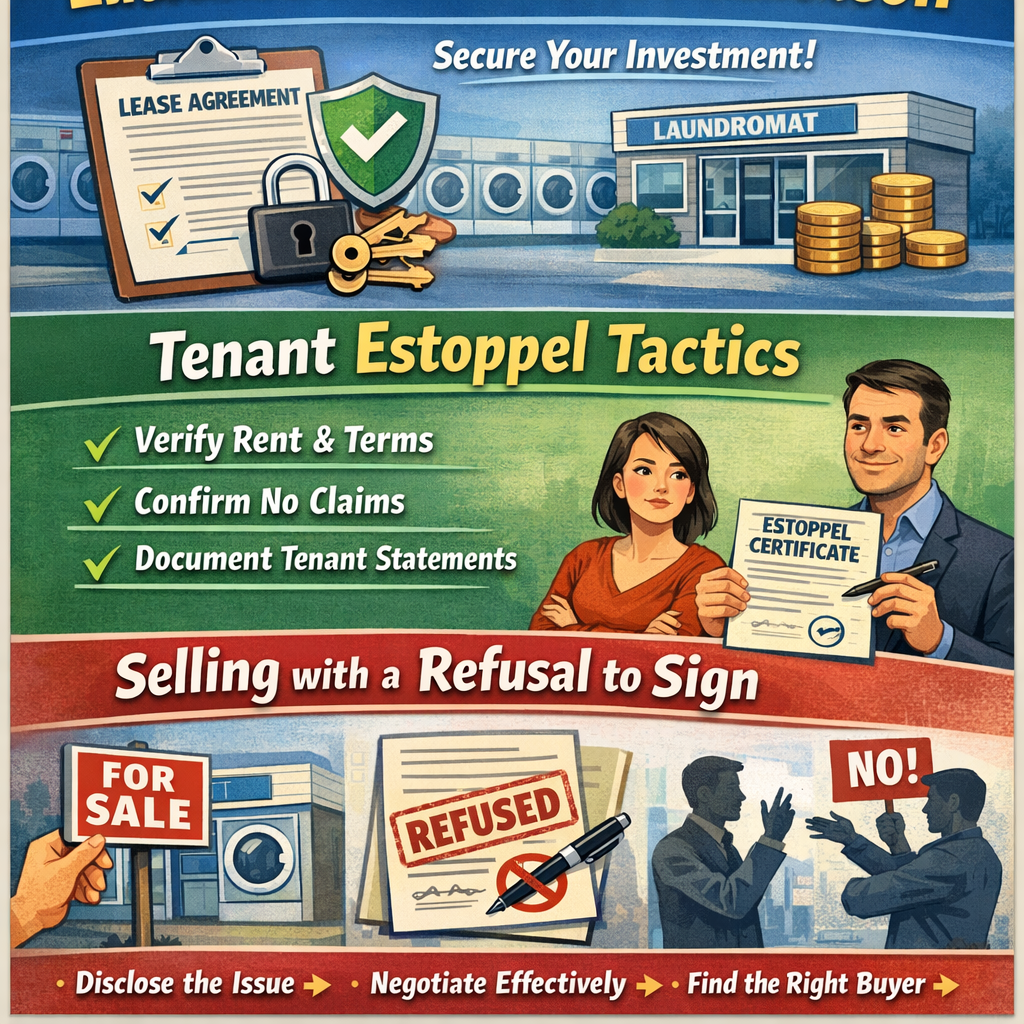
Unfortunately, landlords can sometimes refuse to sign off on a lease assignment, leaving you in a precarious situation. To protect yourself and your business, it’s essential to understand the concept of tenant estoppel and how it can impact your laundromat sale.
In this article, we’ll explore:
- The importance of tenant estoppel in lease assignments
- How to structure your initial lease to ensure a smooth sale
- Tips for navigating landlord refusal and protecting your laundromat’s future
Tenant Estoppel Traps: Understanding the Issue
Tenant Estoppel Traps: Understanding the Issue
When it comes to selling a laundromat, one of the most significant obstacles you might face is a landlord who refuses to sign off on your lease assignment. This issue can be attributed to ‘tenant estoppel traps.’ Essentially, these are legal loopholes that landlords may exploit to avoid recognizing an assignee’s rights over leased premises.
To understand this problem better, let’s delve into the following facts:
1. Legal Definition of Tenant Estoppel: The concept of tenant estoppel occurs when a landlord refuses to recognize an assignee’s interest in a lease – even after receiving proper notice and assignment paperwork.
2. Common Causes of Tenant Estoppel: Landlords may employ tenant estoppel tactics out of fear that new tenants might not uphold the original terms of the lease or due to personal animosity towards the assignee.
3. Importance of Proper Notice: For an assignment to be legally binding, the landlord must receive proper notice and all relevant documents detailing the assignment. If any crucial information is missing or incomplete, landlords may use this as a loophole to deny recognition.
4. Role of Lease Structure: A well-structured initial lease can provide protection against tenant estoppel traps. Consult with an experienced legal professional to ensure your lease includes appropriate provisions that cater to such situations.
Why Landlords Refuse Signature: Common Reasons and Solutions
In the world of laundromat leases, tenant estoppel can be a significant obstacle to overcome when selling your business. A landlord’s refusal to sign off on a lease assignment can lead to unforeseen complications and delays in the sale process. Understanding why landlords may refuse signature and how to address these concerns is crucial for ensuring a smooth transaction.
- One common reason for landlord refusal is the fear of losing stable income from the current tenant. This apprehension often stems from uncertainty about finding a suitable replacement who can meet the rent obligations.
- Another concern landlords may have is their perception that the new tenant will not maintain the laundromat in the same condition, potentially causing issues for neighboring businesses or attracting complaints from local residents.
- Lastly, landlords might be wary of accepting an assignment if they feel the buyer lacks financial stability or does not have a proven track record in managing similar properties.
To address these concerns and protect your laundromat lease during a business sale, consider implementing the following strategies:
- Include a ‘good tenant’ clause in your initial lease agreement that specifies the buyer must maintain the property at the same level as the current tenant, ensuring continuity of service for customers.
- Work closely with your real estate agent to provide prospective landlords with detailed information about the buyer’s financial stability and track record in managing similar properties. This can help alleviate any doubts they may have about accepting an assignment.
- Provide a comprehensive transition plan outlining how you, as the current owner, will assist in the smooth transfer of operations from your laundromat to the new tenant. This includes ensuring proper training is provided and that all necessary equipment or supplies are in place before transferring ownership.
By addressing these common concerns and taking proactive steps to protect your lease during a business sale, you can navigate tenant estoppel traps and ensure a successful transition for both yourself and the new owner of the laundromat.
Structuring Your Initial Lease for Maximum Flexibility
Structuring Your Initial Lease for Maximum Flexibility
To protect your laundromat lease during a business sale, it is crucial to structure the initial lease in a way that ensures maximum flexibility. Here are some key strategies to consider:
- Specify a short-term lease duration: A shorter lease term, such as six months or one year, provides more flexibility for the buyer and reduces the risk of losing tenants during the sale process.
- Incorporate an assignment clause: Ensure that your lease includes an assignment clause, which allows you to transfer your lease rights and obligations to a new tenant without the landlord’s consent. This will help protect your interests if the landlord refuses to sign off on the lease assignment.
- Exclude non-compete clauses: Avoid including non-compete clauses in your lease that might prevent potential buyers from purchasing your laundromat due to concerns about future competition.
- Include a rent escalation clause: Consider adding a rent escalation clause to your initial lease, which gradually increases the rent over time. This will help ensure that the new tenant can afford the higher rent and is committed to the business, increasing the likelihood of a successful sale.
Best Practices for Preventing Tenant Estoppel Traps
Best Practices for Preventing Tenant Estoppel Traps
- Ensure your lease includes a clear and unequivocal non-assignment clause, which prevents the tenant from assigning their lease to another party without the landlord’s consent.
- Incorporate a proper notice provision in your lease that requires a tenant to notify the landlord of any assignment or transfer of their lease.
- Include a well-drafted estoppel certificate requirement, which requires the tenant to provide written confirmation that they have not assigned, transferred, or encumbered their lease without the landlord’s consent.
- Consider requiring a tenant to obtain the landlord’s prior written approval before assigning or transferring their lease. This can be achieved by including a ‘no-assignment’ clause in your lease agreement.
By implementing these best practices, you can protect your laundromat lease from potential estoppel traps and ensure a smoother business sale process.
Conclusion: Protecting Your Laundromat Lease During a Business Sale
In conclusion, it is essential for laundromat owners to be aware of the potential challenges they may face when attempting to sell their business. By structuring your initial lease with proper tenant estoppel clauses, you can protect yourself and ensure a smooth sale process. Keep these key takeaways in mind:
- Understand your local leasing laws and requirements.
- Create a comprehensive tenant estoppel agreement during the initial lease signing.
- Communicate openly and honestly with your landlord about your intentions to sell the business.
By taking these steps, you can navigate the complexities of a laundromat lease assignment and protect yourself during a business sale. Remember, it’s always better to be prepared than caught off guard by unexpected challenges. Good luck!
Leave a Reply